

An independent, ad-free leftist magazine of critical essays, poetry, fiction, and art.
-
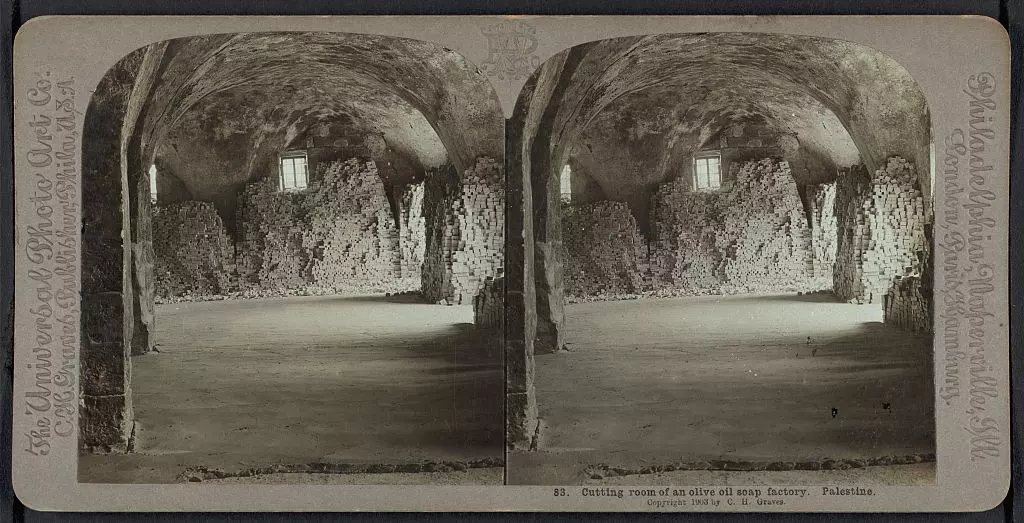
“Garden Variety” and “Maqluba,” two poems by writer and translator Lena Tuffaha, traverse the brutalized landscapes of Palestinian history as well as the deceptions of Western diplomacy.
-
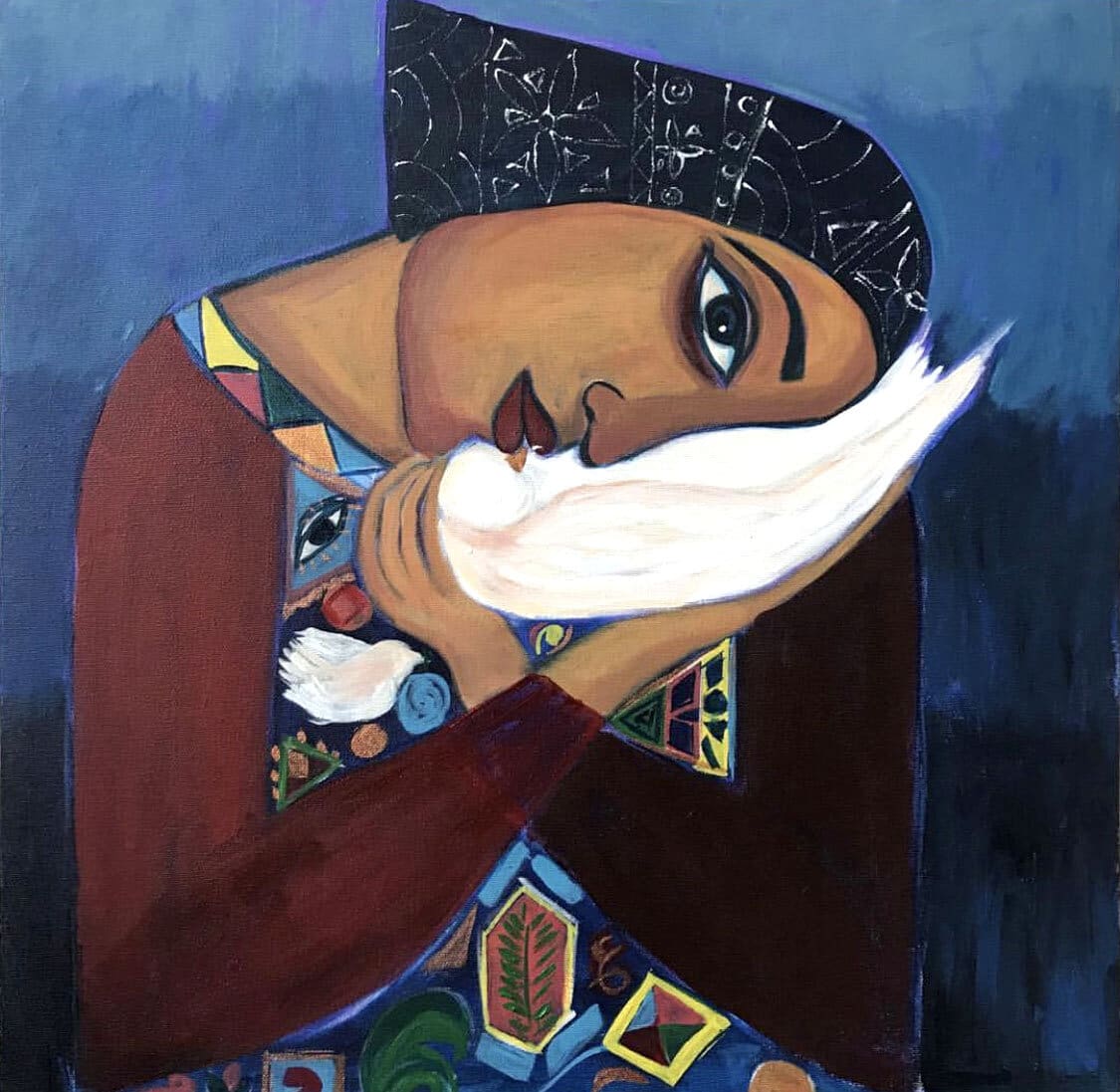
Poet and translator Fady Joudah’s “Habibi Yamma” explores Palestinian motherhood and childhood, grief and survival, from the Nakba to the present genocide in Gaza. Image credit: Malak Mattar, “when peace dies, embrace it. it will live again” (acrylic on canvas, 2021).
-
Poet and novelist Ibrahim Nasrallah’s “Palestinian” was translated from Arabic by Huda Fakhreddine. As the Gaza genocide unfolds in front of our eyes, Nasrallah’s poem ricochets between paralysis and struggle: “I died and lived. I lit myself on fire. I put myself out with my own ashes, / and nothing…
-
In this brief lyric, poet and translator Noah Mazer skewers liberalism’s incessant denunciations of Palestine’s armed struggle against colonial dispossession.
-

Poet Amie Zimmerman’s “Plain Speech” is a call for radical endurance from within the imperial core: “we swim in the weapons quarry,” she writes. But “when the quarry is drained let them find nothing.”
-
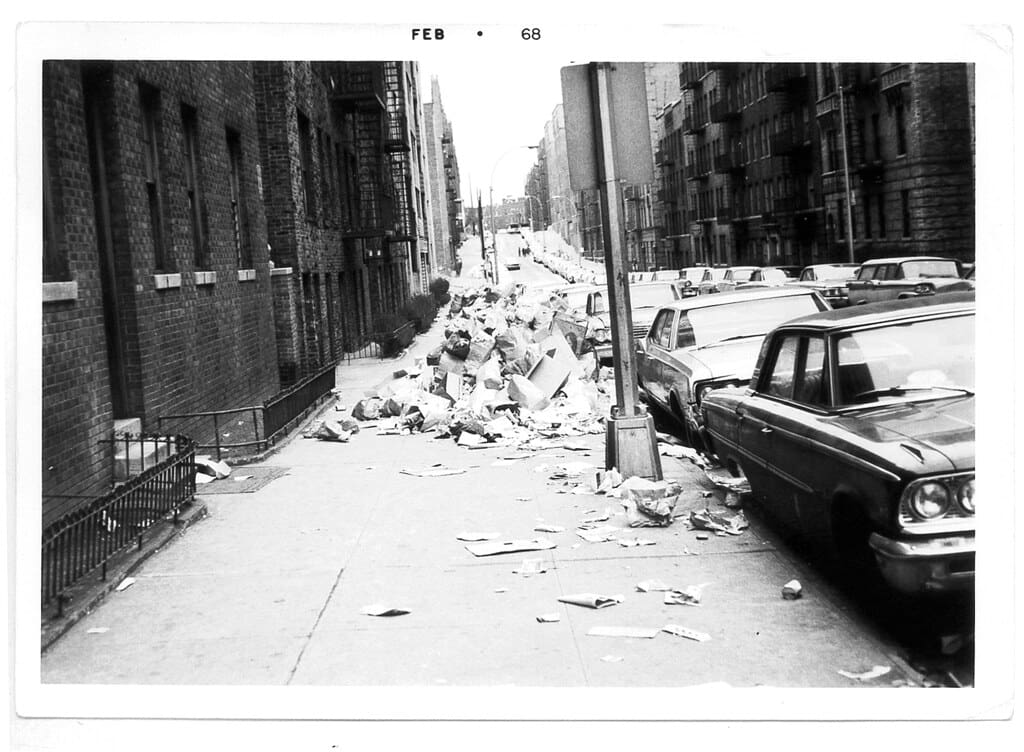
In “Fugue 35 | Overproduction / Reintegration,” poet Joe Hall explores the ways in which wage labor drains the meaning from our social relations, asking: “What can we do when this work that we hate is all we have between / us.” This poem originally appeared in Hall’s latest collection…
-
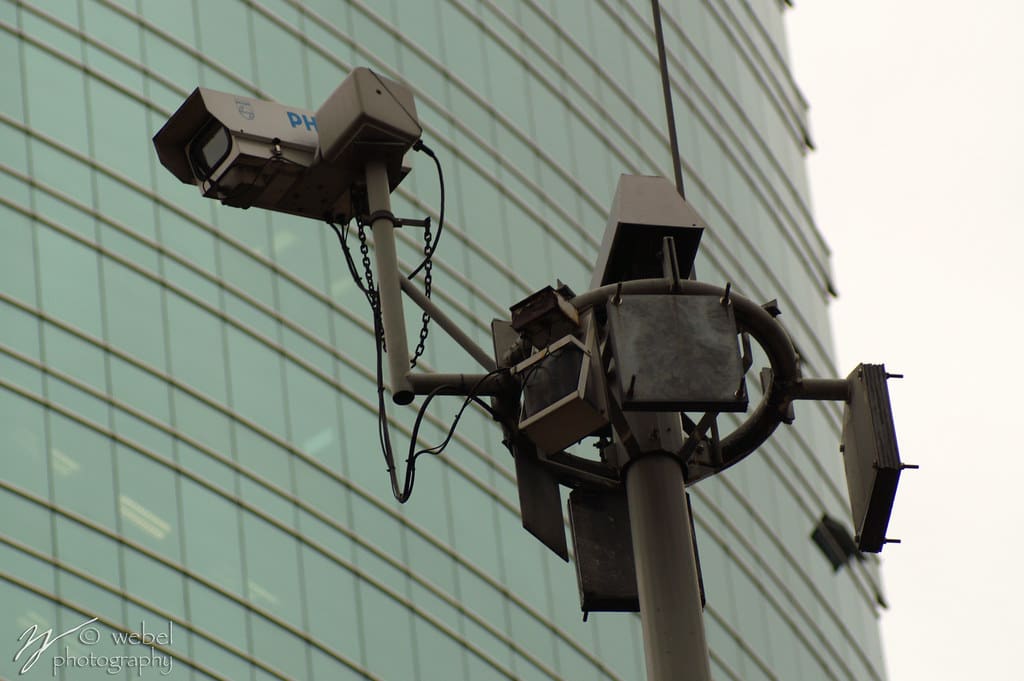
An excerpt from Laura Jaramillo’s poem “Handedness,” a gorgeous exploration of the politics of language, work, and direct action. “Handedness” originally appeared in her 2022 collection Making Water (Futurepoem).
-
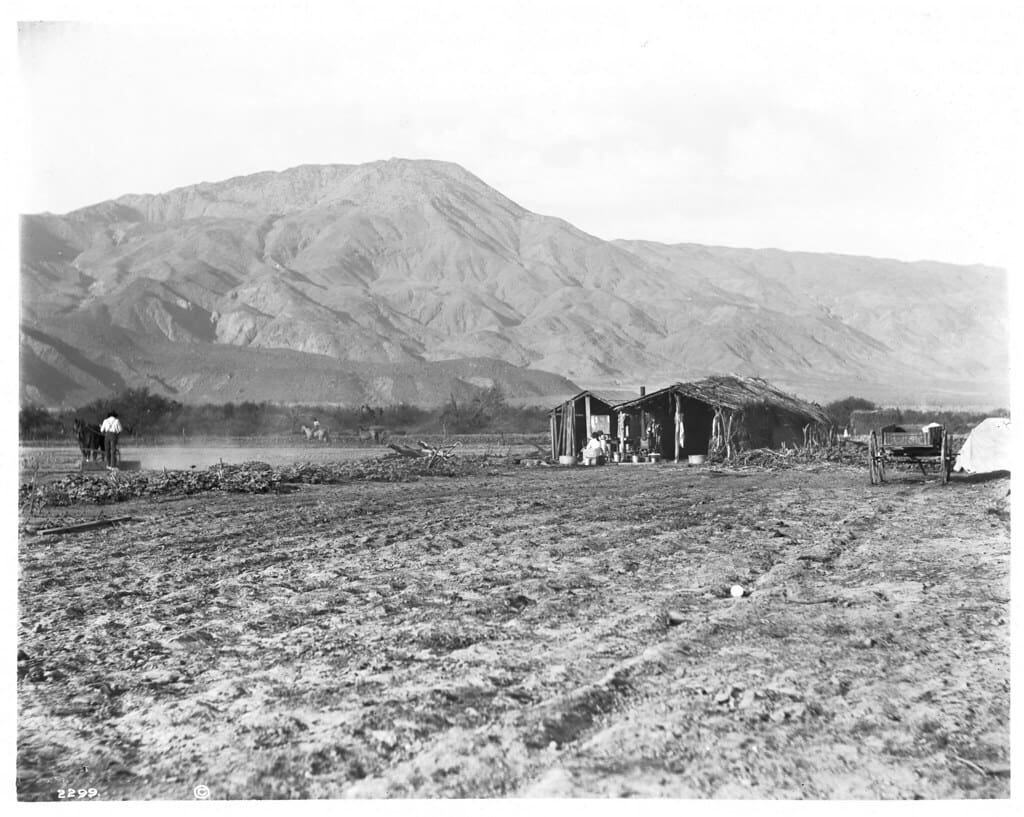
Cahuilla poet Emily Clarke’s “learning how to read” responds to the stultifying demands placed on Indigenous writers to perform a simplistic, often neocolonial caricature of Native struggle: “will you guide a flight of goosebumps up our arms,” they ask, “as / you use your mouth to mold white guilt into…
-

In “Dimestore novels were documentaries,” poet and essayist Lyta Gold explores how the language of the supernatural and extraterrestrial inflects everyday life.
-
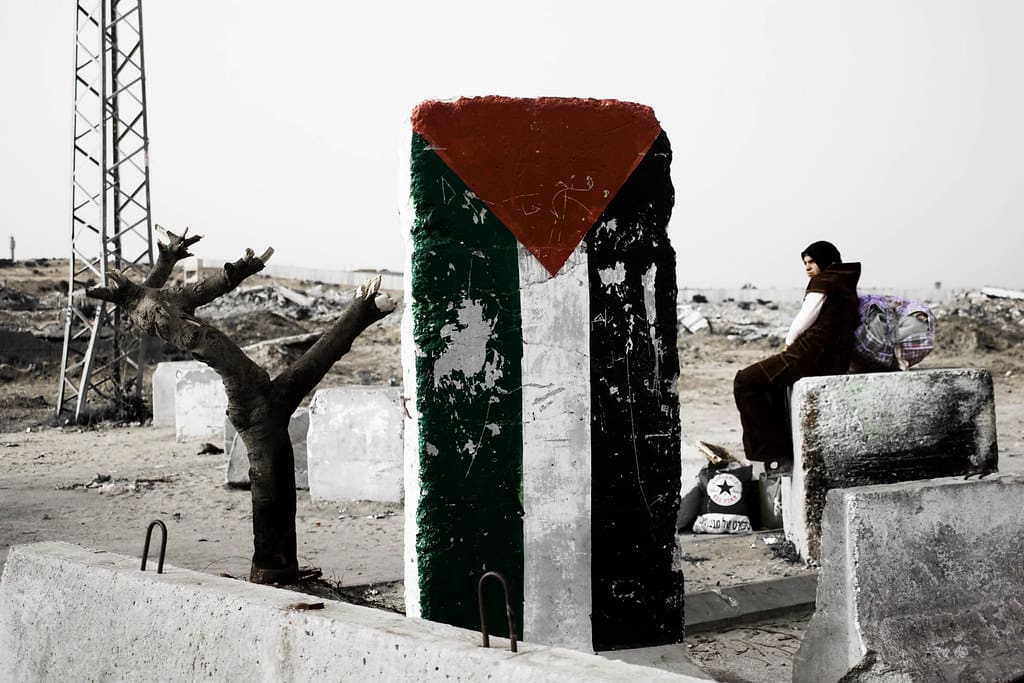
In “For Every Eclipse, A Contradiction,” poet Madeline Lane-McKinley reflects on the history of solidarity with the Palestinian liberation struggle –– and the complicity of those who remain silent.
