

An independent, ad-free leftist magazine of critical essays, poetry, fiction, and art.
-
Dylan Saba reviews Ghassan Kanafani’s “On Zionist Literature,” in which the Popular Front for the Liberation of Palestine founder deconstructs and critiques the literary myths and distortions that helped to craft the Zionist subject and deny Palestinian peoplehood.
-
Sam Russek reviews Verso’s new English edition of Ludovico Silva’s classic Marx’s Literary Style (trans. Paco Brito Núñez). As Silva illustrated in 1971, Marx’s harmonies between concretion and literary flourishes are key to his work’s effect.
-

David Helps reviews Palo Alto, Malcolm Harris’s new critical history of Silicon Valley’s blend of California idealism and exploitation. The town has come to signify grotesque new tech wealth accumulated in the guise of free-market liberation.
-
Matthew J. Seidel reviews Road to Nowhere, the new book from Paris Marx on fantastical and farcical big-tech transit schemes and how they have substituted for the public good.
-

Marcos Gonsalez reviews Alejandro Varela’s debut novel The Town of Babylon. Andrés, the novel’s gay Colombian-American protagonist, returns to suburbia and muses on identity, race, and the prejudice and hierarchy that constitutes America.
-

Alex Skopic reviews Max Haiven’s Palm Oil: The Grease of Empire, out now from Pluto Press. The grotesque history of this ubiquitous commodity offers a lens onto the environmental and human costs of imperialism and industry.
-
Alexander Billet reviews Cynthia Cruz’s The Melancholia of Class, a work of memoir and cultural criticism that examines the inflections of class, assimilation, and loss on independent art.
-
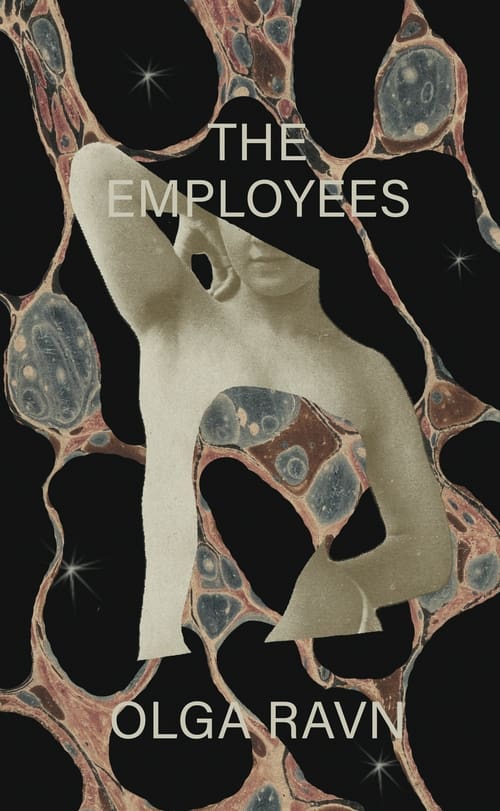
Adam Fales reviews Olga Ravn’s The Employees: a slyly oblique sci-fi novel that transposes the alienation of the capitalist workplace onto a 22nd-century commercial starship.
-

Two docu-series, “Exterminate All the Brutes” and “How to Become a Tyrant,” exemplify a “poetic” materialism and stale liberal idealism, respectively. Ilan Benattar holds them both up to the light.
-
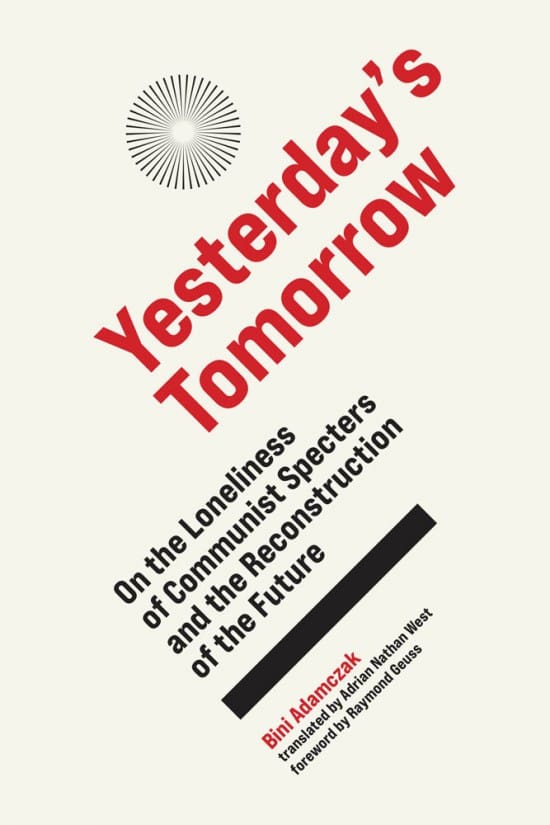
Clinton Williamson reviews Bini Adamczak’s Yesterday’s Tomorrow: On the Loneliness of Communist Specters and the Reconstruction of the Future, from MIT Press.
