

An independent, ad-free leftist magazine of critical essays, poetry, fiction, and art.
-

Anna Aguiar Kosicki reviews Hannah Zeavin’s new book “Mother Media”, calling it “an intellectual reappraisal of the history of technological mothering [which] casts much quietly accepted knowledge in new light.”
-

Physician Jake Sonnenberg reviews All This Safety is Killing Us: Health Justice Beyond Prisons, Police, and Borders, which collects writings that cast light on the flagrant injustices of for-profit healthcare and its complicity with police and the state—from cops in hospitals and sting operations on pregnant women to forced sterilization.
-
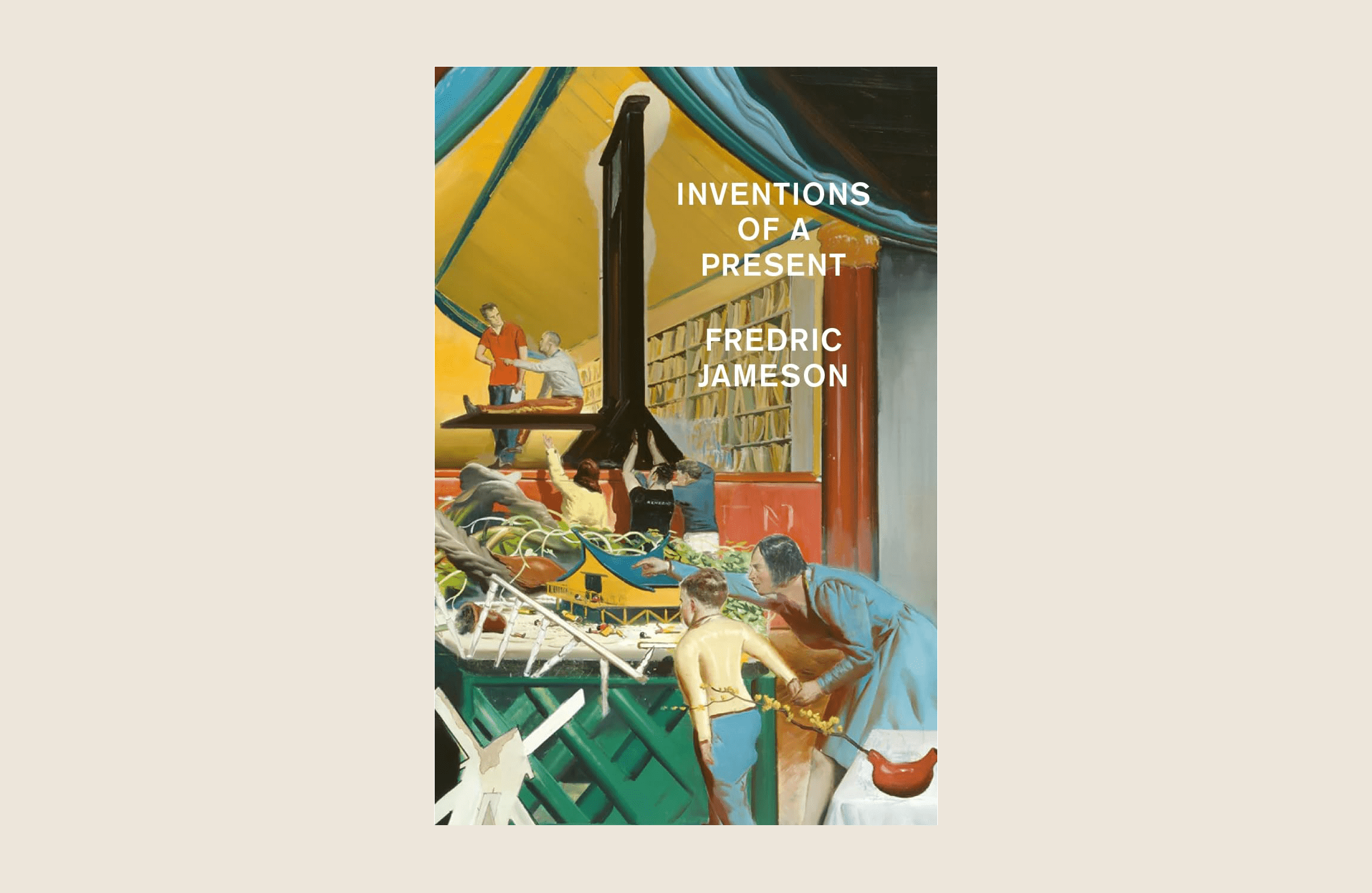
James Davis reviews Fredric Jameson’s last collection, Inventions of a Present, from Verso. What can the novel, as “time’s relief map,” still teach us about the contemporary fragmentation of meaning?
-

Bradley Babendir compares two recent books that differ in their approach to critiquing the American pathology of entrepreneurialism and self-improvement: Madeleine Baker’s “Make Your Own Job” and Adam Chandler’s “99% Perspiration.”
-

The new book from Peter Beinart, “Being Jewish After the Destruction of Gaza,” is reviewed by Joshua Gutterman Tranen. “The truth that Beinart cannot face is that there is no prize to be won here, no silver lining to the thousands of Palestinians blown to pieces by Israeli-American bombs. There…
-
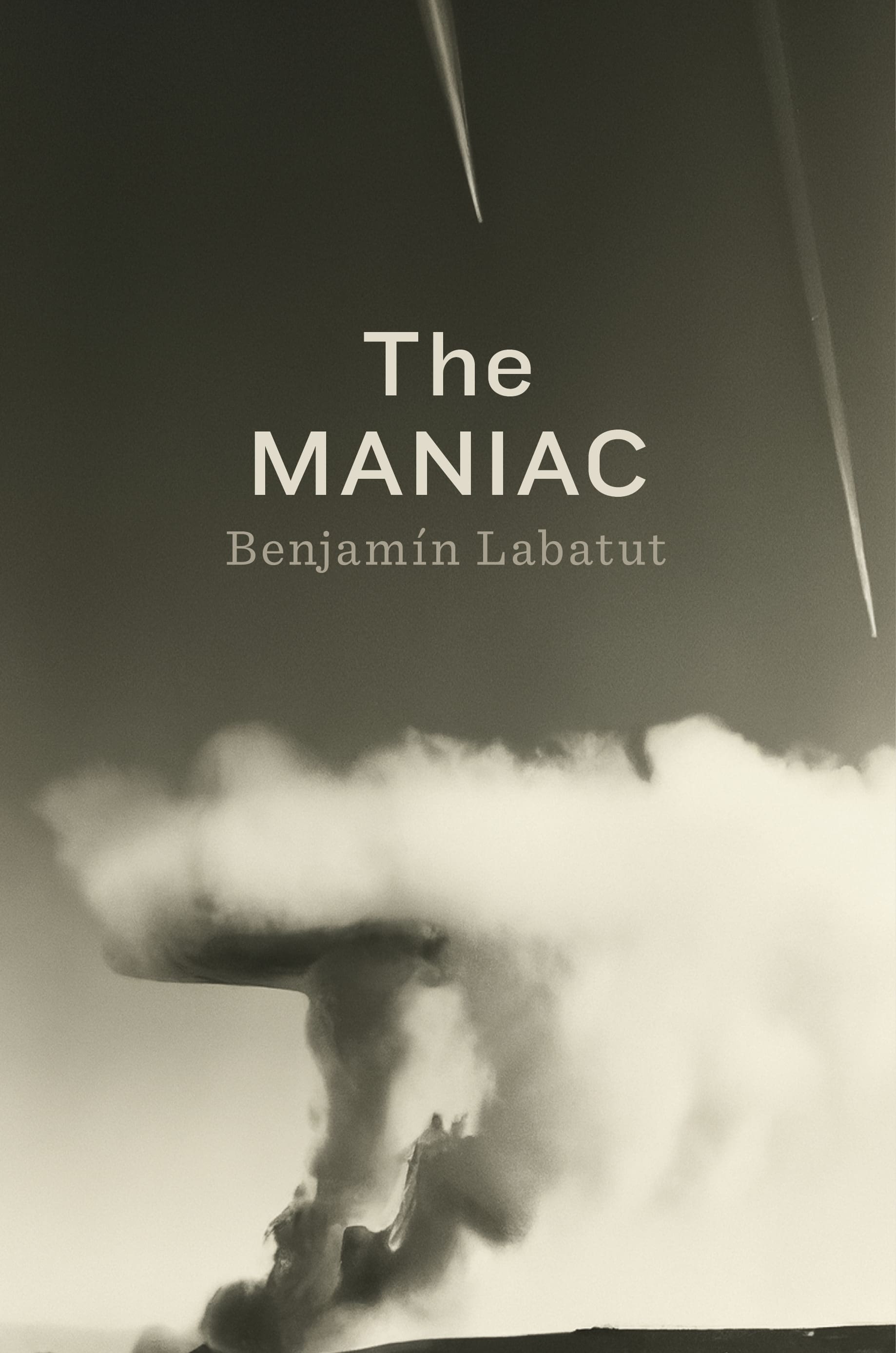
Jared Marcel Pollen reviews Benjamin Labatut’s latest work, “The Maniac”—a polyphonic account of the life of scientist John von Neumann, of genius and our awe and terror at minds beyond our comprehension.
-

Emmerich Anklam reviews Dan Sinykin’s Big Fiction—a timely book, writes Anklam, with an illuminating treatment of fiction’s dual status as culture and commodity.
-
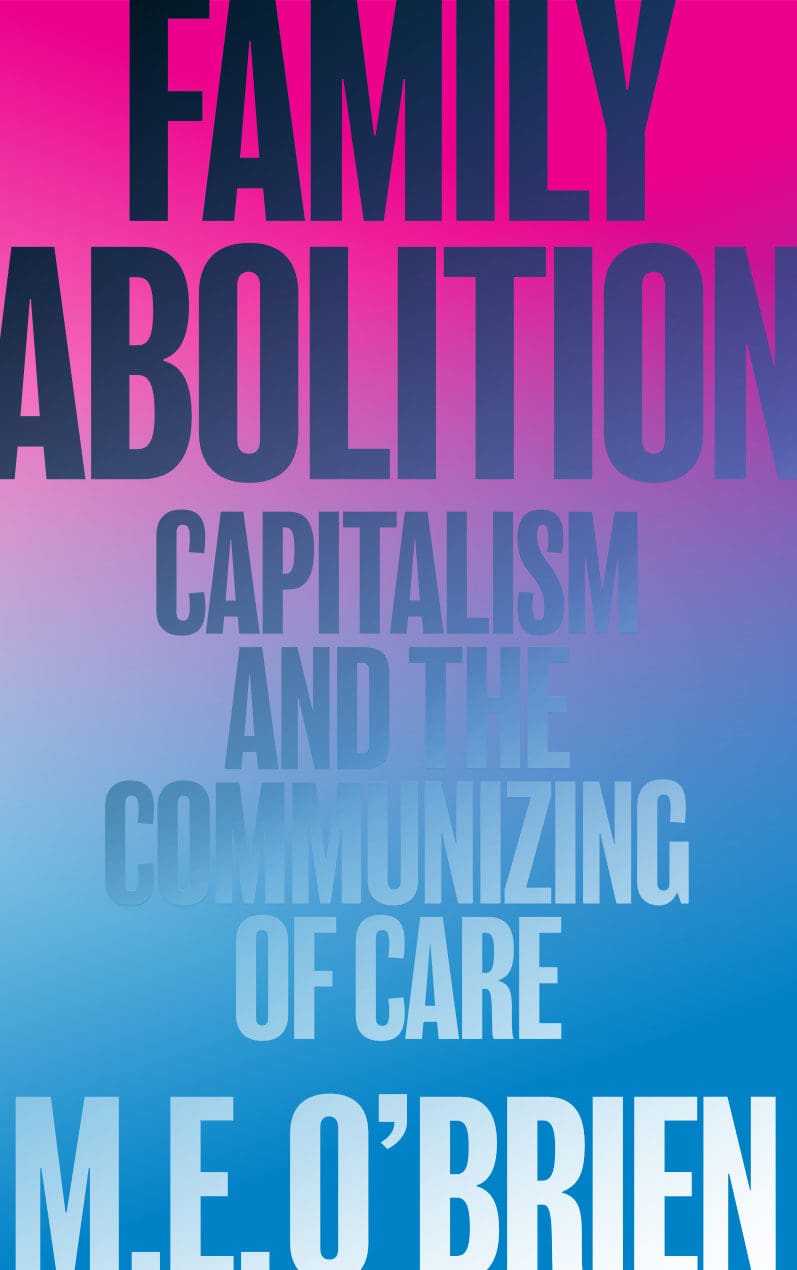
As one of the left’s most infamously provocative calls, family abolition is often mischaracterized. M.E. O’Brien’s “Family Abolition,” writes Madeline Lane-McKinley, is a corrective and definitive contribution, incisively tracing abolition’s possibilities and opening a view onto utopian horizons.
-
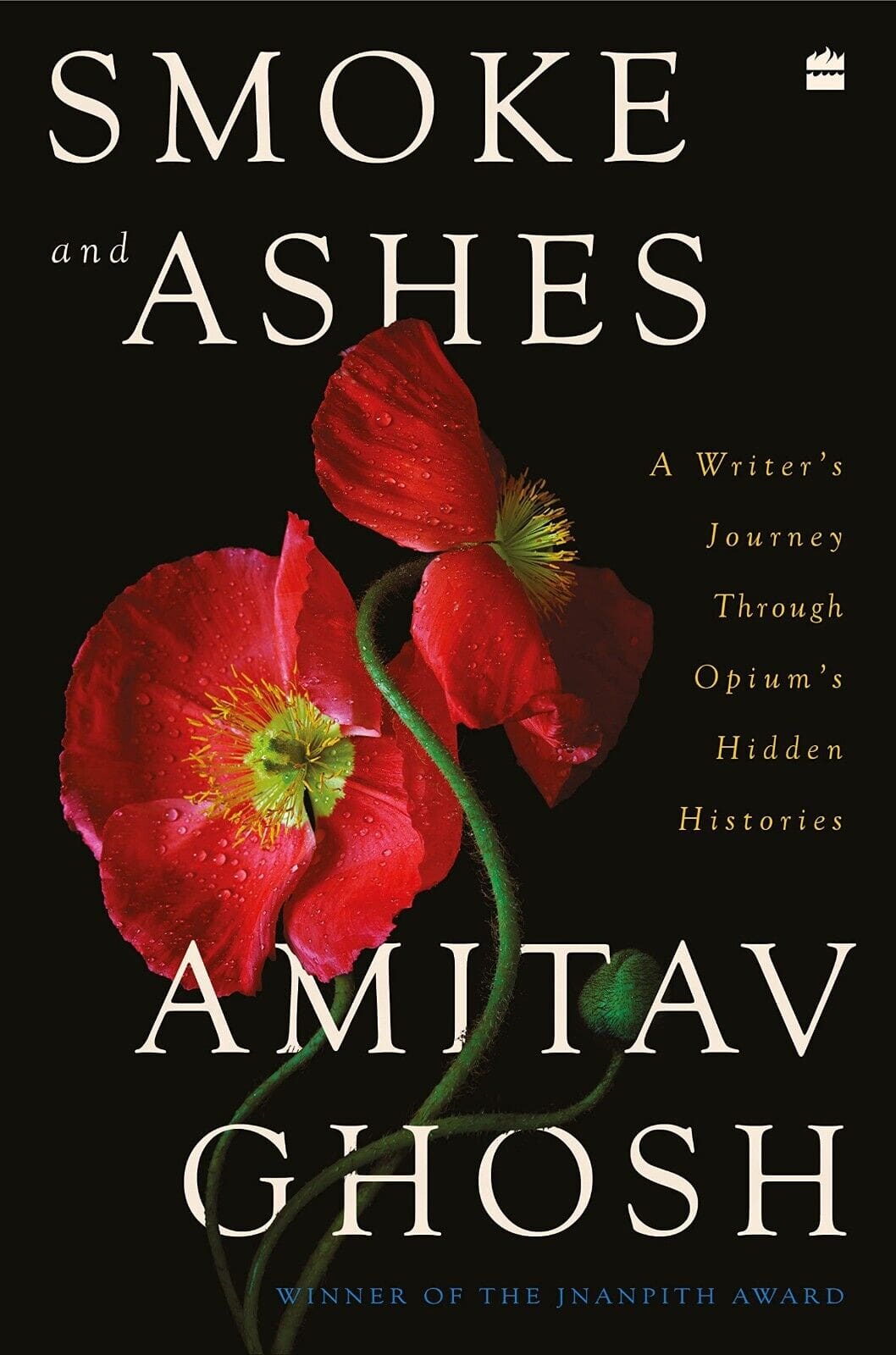
Sohel Sarkar reviews Smoke and Ashes, by Amitav Ghosh. The historical opium trade not only echoes the current opioid crisis— enriched famous U.S. families and helped lay the foundations for global capitalism.
-

Ryan Moore examines Kohei Saito’s environmentalist reading of Marx’s late notebooks in Marx in the Anthropocene—a major work in Marxist ecology and intervention in the degrowth debate.
