

An independent, ad-free leftist magazine of critical essays, poetry, fiction, and art.
-
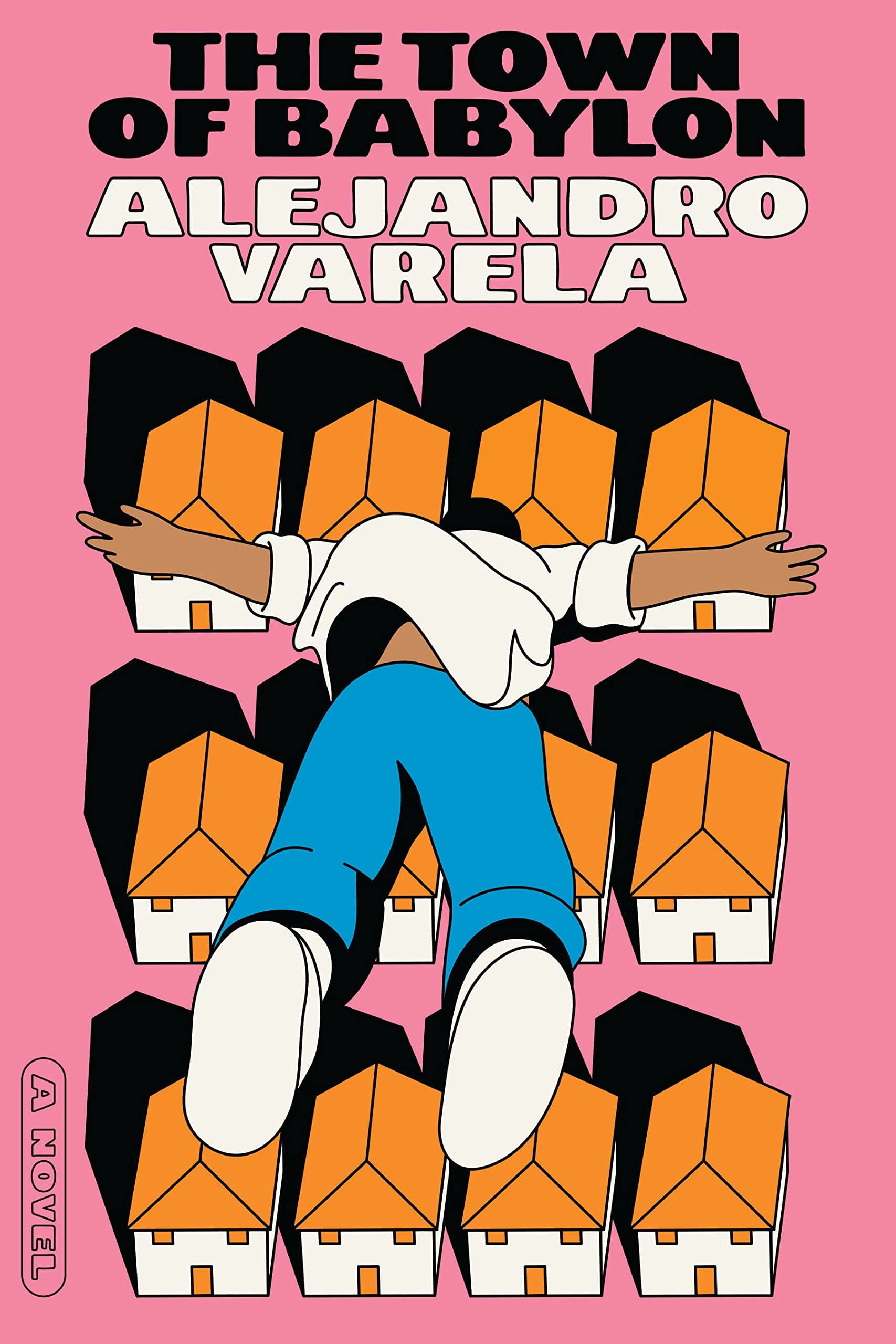
Marcos Gonsalez reviews Alejandro Varela’s debut novel The Town of Babylon. Andrés, the novel’s gay Colombian-American protagonist, returns to suburbia and muses on identity, race, and the prejudice and hierarchy that constitutes America.
-

Alex Skopic reviews Max Haiven’s Palm Oil: The Grease of Empire, out now from Pluto Press. The grotesque history of this ubiquitous commodity offers a lens onto the environmental and human costs of imperialism and industry.
-
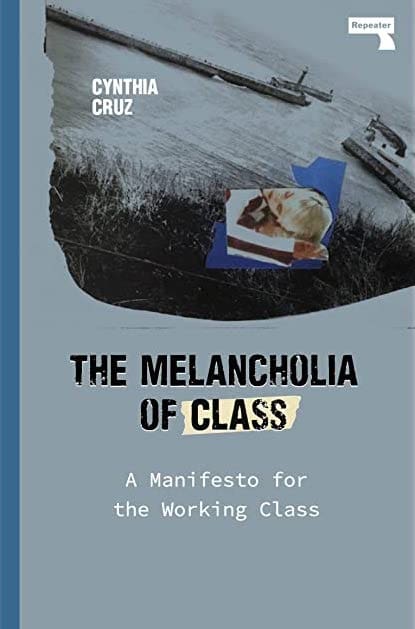
Alexander Billet reviews Cynthia Cruz’s The Melancholia of Class, a work of memoir and cultural criticism that examines the inflections of class, assimilation, and loss on independent art.
-
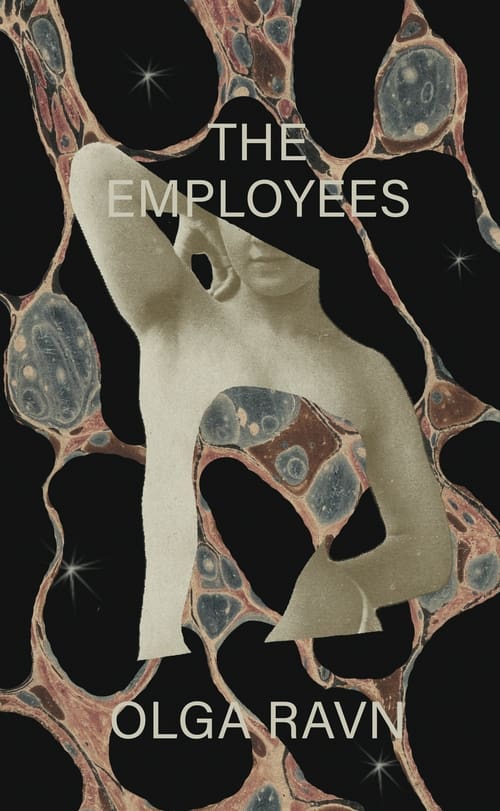
Adam Fales reviews Olga Ravn’s The Employees: a slyly oblique sci-fi novel that transposes the alienation of the capitalist workplace onto a 22nd-century commercial starship.
-

Two docu-series, “Exterminate All the Brutes” and “How to Become a Tyrant,” exemplify a “poetic” materialism and stale liberal idealism, respectively. Ilan Benattar holds them both up to the light.
-
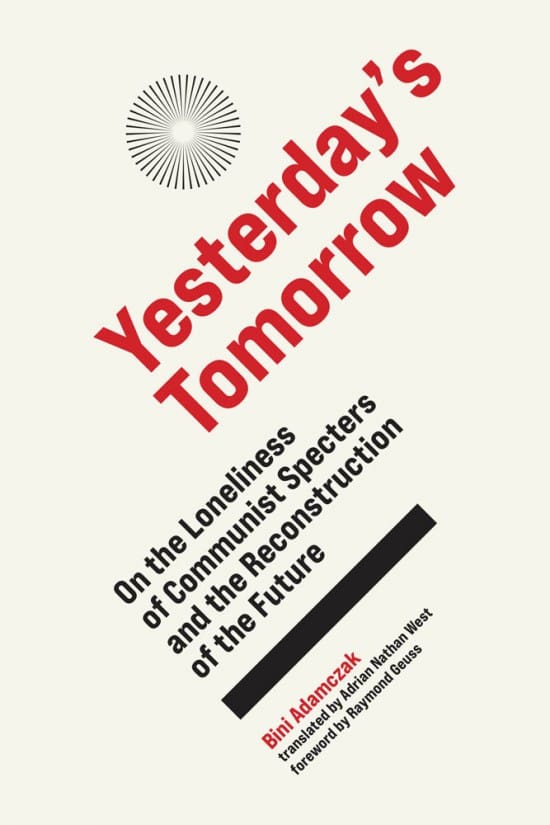
Clinton Williamson reviews Bini Adamczak’s Yesterday’s Tomorrow: On the Loneliness of Communist Specters and the Reconstruction of the Future, from MIT Press.
-

Will Meyer, with an eye to Stuart Schrader’s Badges Without Borders and Todd Miller’s Empire of Borders, examines how U.S. policing and repressive tactics are exported to and tested in client states, and how they inevitably return home.
-
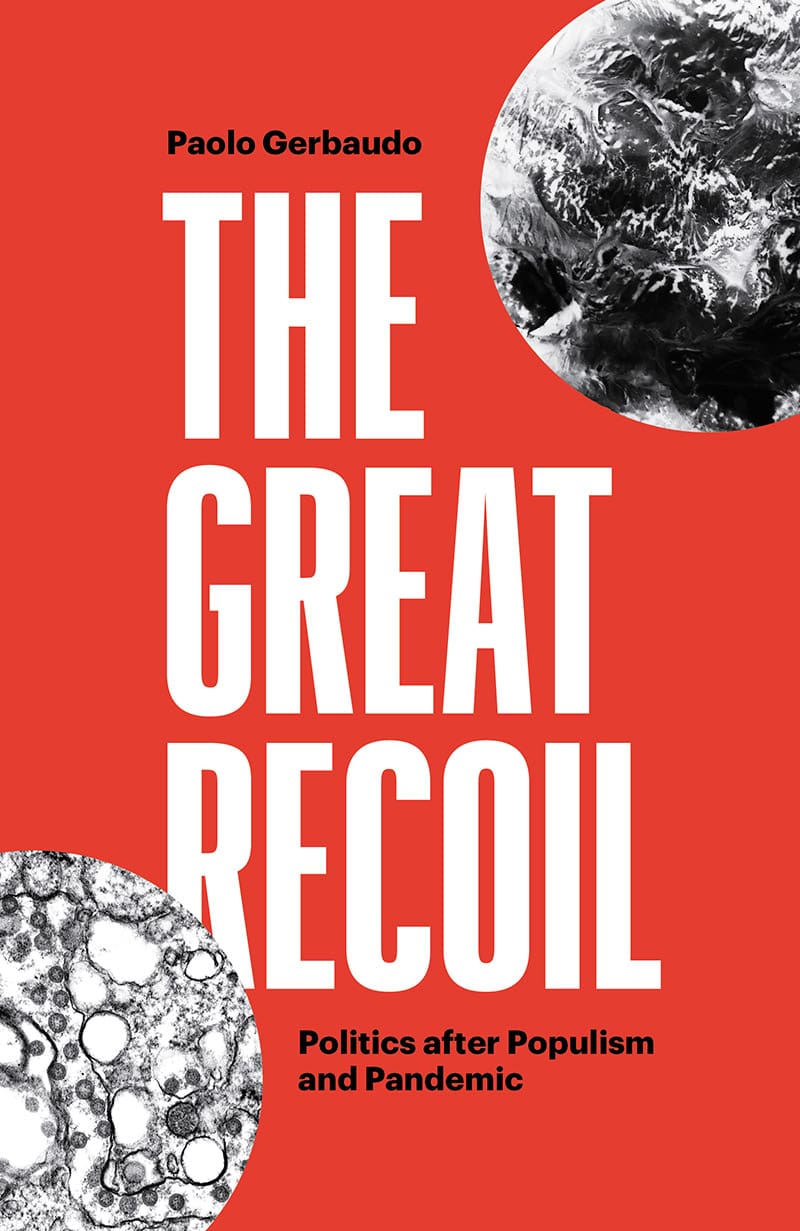
Samuel McIlhagga reviews Paolo Gerbaudo’s The Great Recoil, out from Verso Books. Gerbaudo’s book posits a shift to protective statism in response to amassing crises.
-

Sohel Sarkar reviews Harsha Walia’s essential book, Border & Rule: Global Migration, Capitalism, and the Rise of Racist Nationalism, which critiques both the far-right demonization of migrants and liberal responses that trade shallow multiculturalism for justice.
-
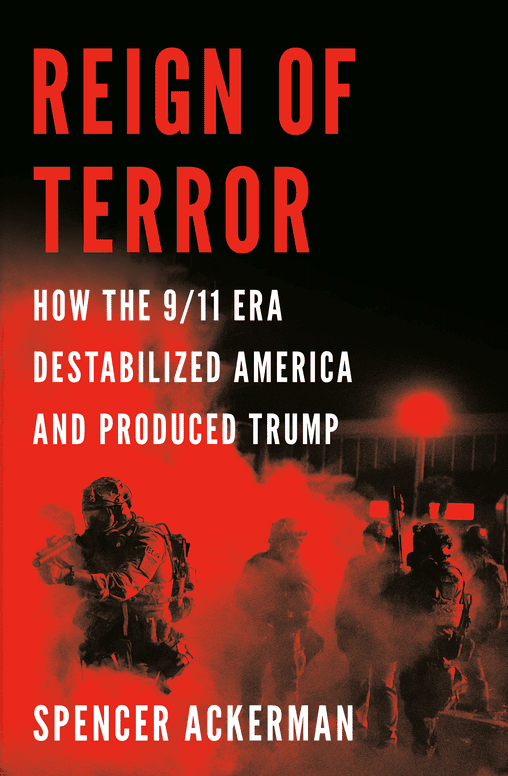
Adam Fleming Petty reviews Spencer Ackerman’s Reign of Terror: How the 9/11 Era Destabilized America and Produced Trump.
