
An independent, ad-free leftist magazine of critical essays, poetry, fiction, and art.
-

The new book from Peter Beinart, “Being Jewish After the Destruction of Gaza,” is reviewed by Joshua Gutterman Tranen. “The truth that Beinart cannot face is that there is no prize to be won here, no silver lining to the thousands of Palestinians blown to pieces by Israeli-American bombs. There…
-
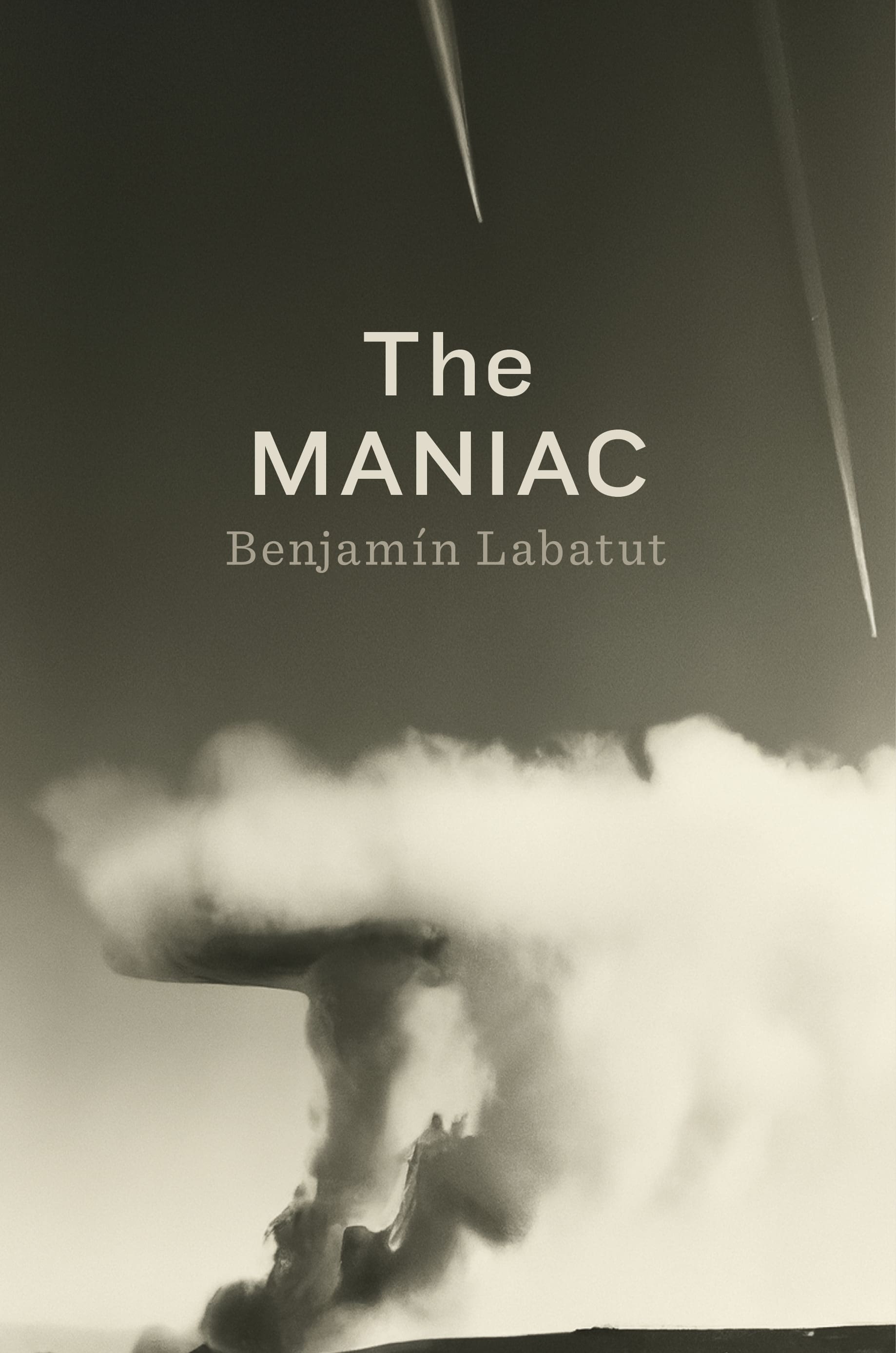
Jared Marcel Pollen reviews Benjamin Labatut’s latest work, “The Maniac”—a polyphonic account of the life of scientist John von Neumann, of genius and our awe and terror at minds beyond our comprehension.
-

Emmerich Anklam reviews Dan Sinykin’s Big Fiction—a timely book, writes Anklam, with an illuminating treatment of fiction’s dual status as culture and commodity.
-
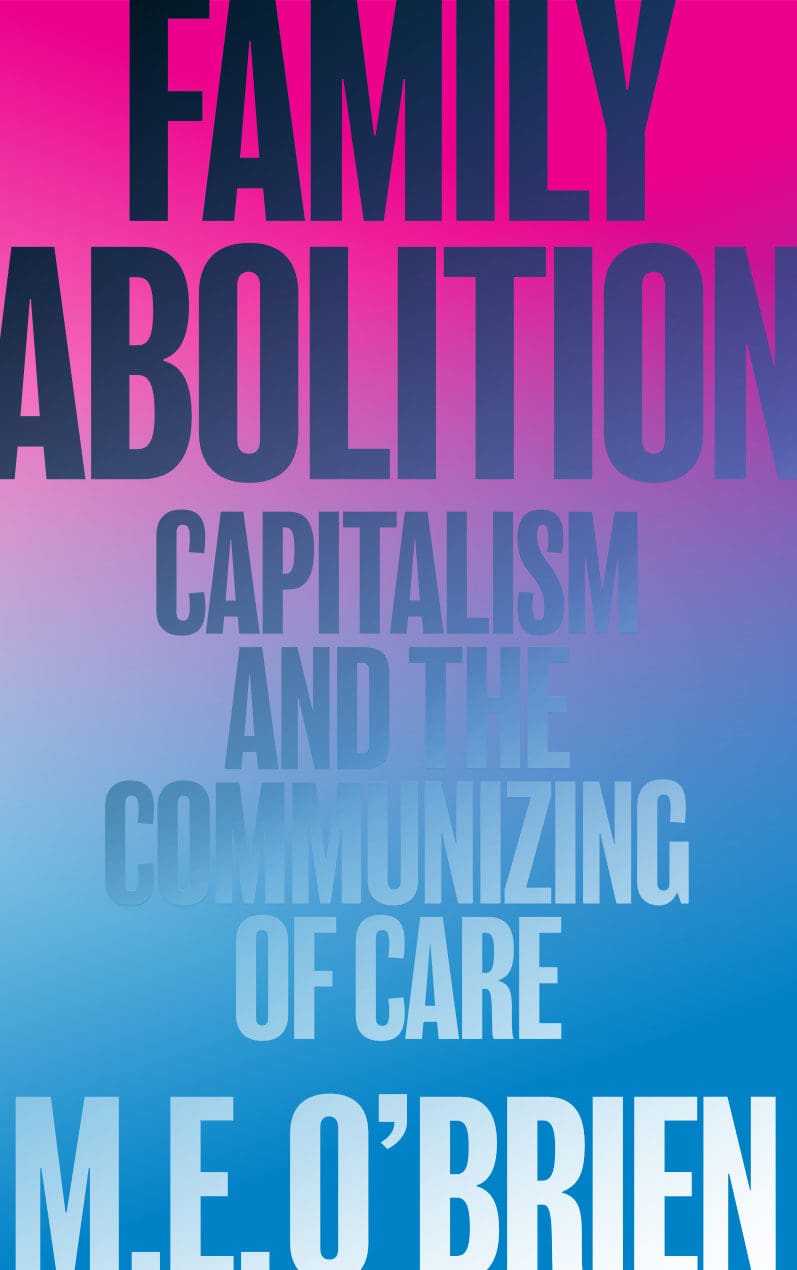
As one of the left’s most infamously provocative calls, family abolition is often mischaracterized. M.E. O’Brien’s “Family Abolition,” writes Madeline Lane-McKinley, is a corrective and definitive contribution, incisively tracing abolition’s possibilities and opening a view onto utopian horizons.
-
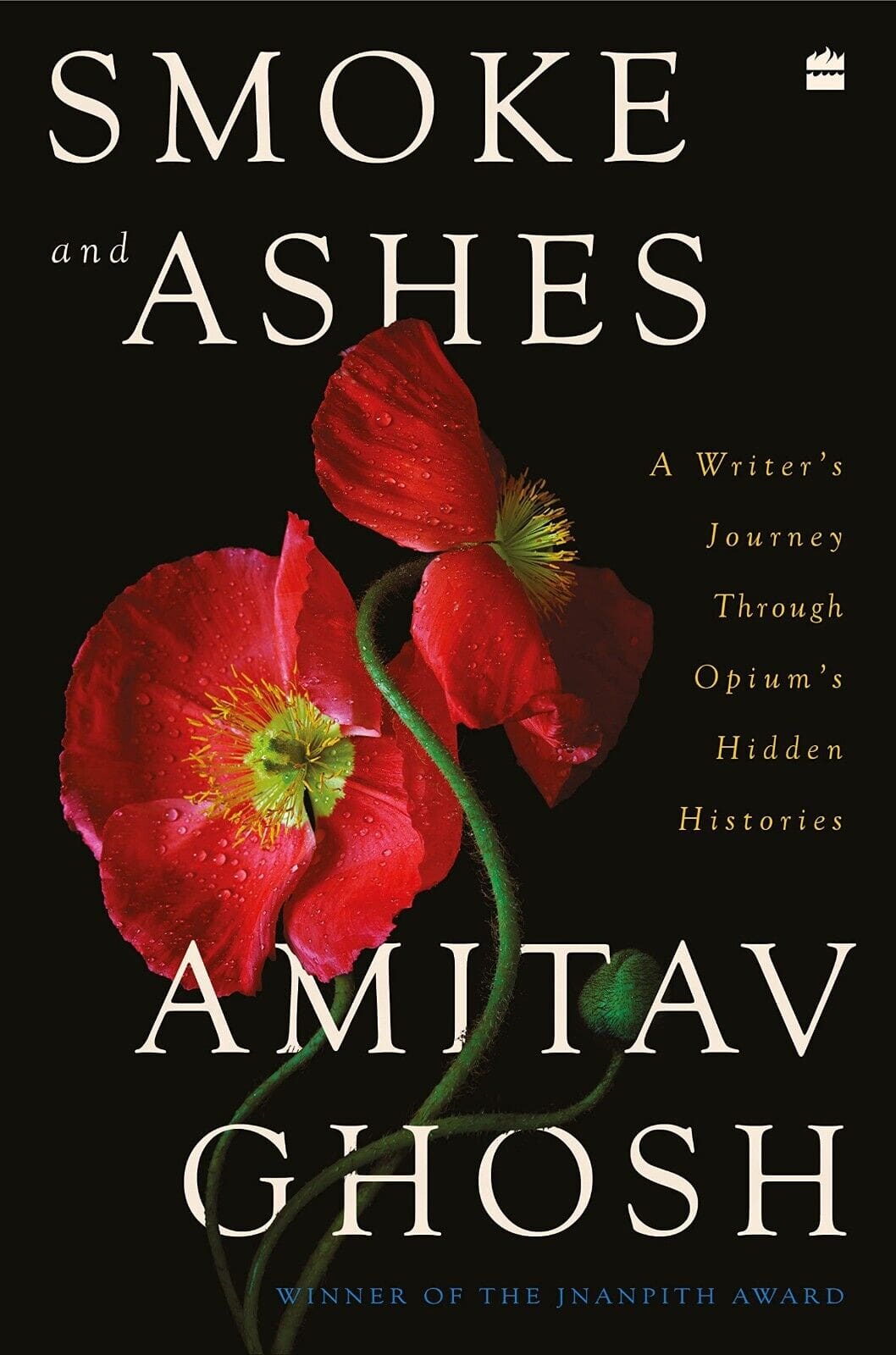
Sohel Sarkar reviews Smoke and Ashes, by Amitav Ghosh. The historical opium trade not only echoes the current opioid crisis— enriched famous U.S. families and helped lay the foundations for global capitalism.
-

Ryan Moore examines Kohei Saito’s environmentalist reading of Marx’s late notebooks in Marx in the Anthropocene—a major work in Marxist ecology and intervention in the degrowth debate.
-
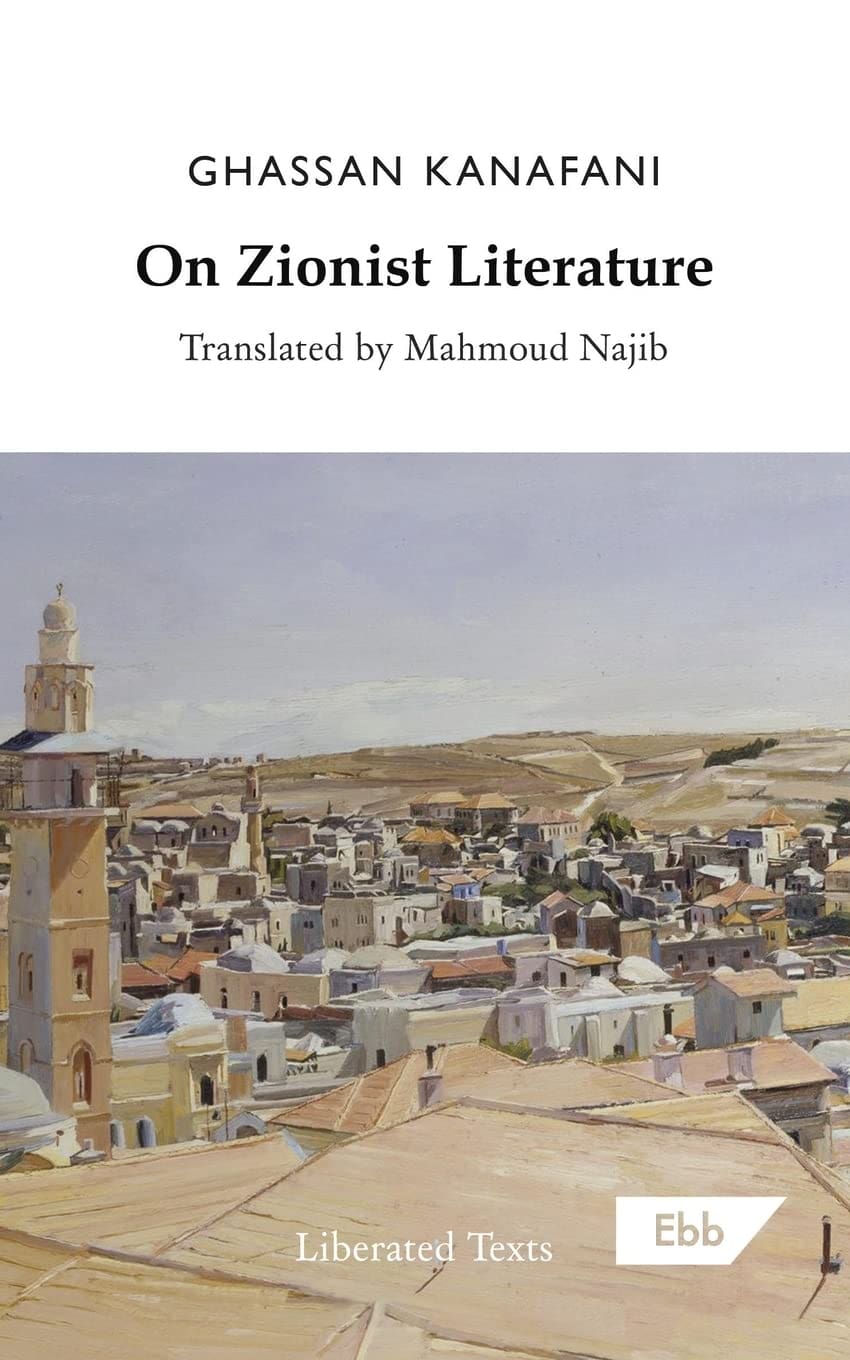
Dylan Saba reviews Ghassan Kanafani’s “On Zionist Literature,” in which the Popular Front for the Liberation of Palestine founder deconstructs and critiques the literary myths and distortions that helped to craft the Zionist subject and deny Palestinian peoplehood.
-
Sam Russek reviews Verso’s new English edition of Ludovico Silva’s classic Marx’s Literary Style (trans. Paco Brito Núñez). As Silva illustrated in 1971, Marx’s harmonies between concretion and literary flourishes are key to his work’s effect.
-

David Helps reviews Palo Alto, Malcolm Harris’s new critical history of Silicon Valley’s blend of California idealism and exploitation. The town has come to signify grotesque new tech wealth accumulated in the guise of free-market liberation.
-
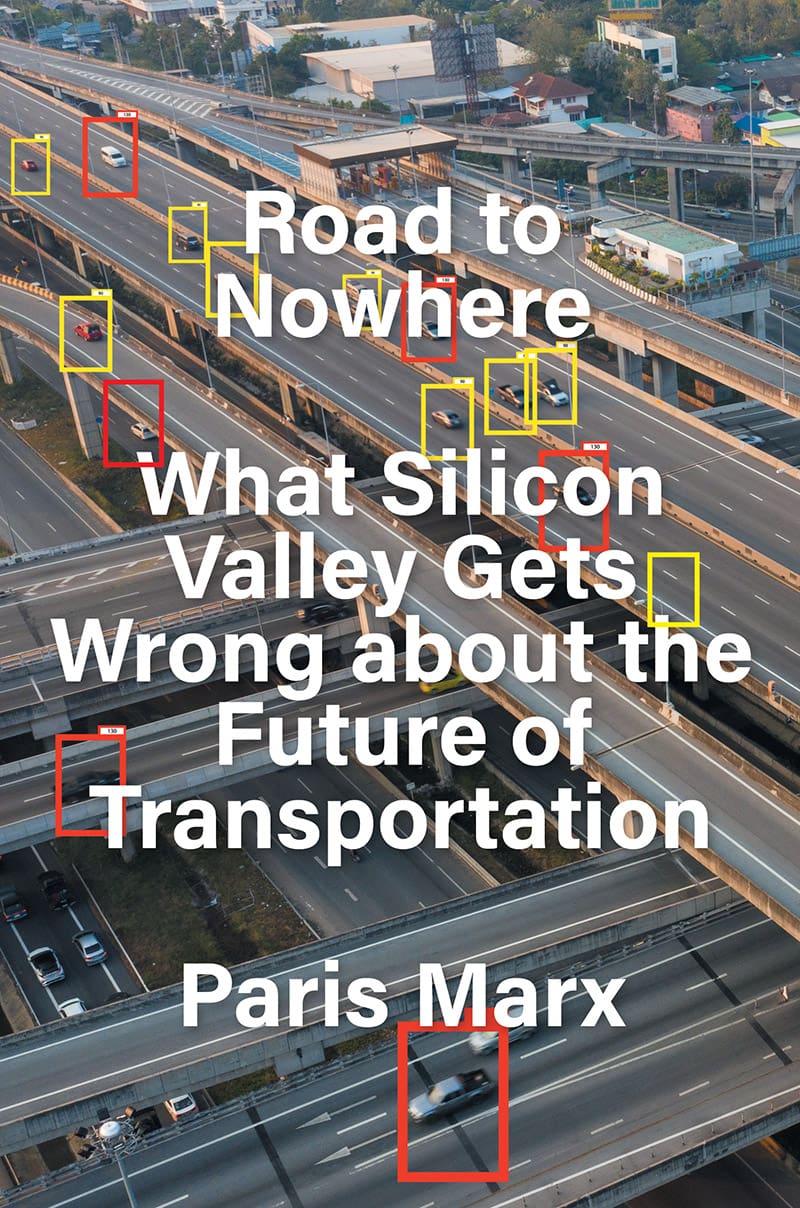
Matthew J. Seidel reviews Road to Nowhere, the new book from Paris Marx on fantastical and farcical big-tech transit schemes and how they have substituted for the public good.
