
An independent, ad-free leftist magazine of critical essays, poetry, fiction, and art.
-
In anticipation of our upcoming reading and conversation, we’re thrilled to present two new poems by George Abraham on Palestinian resistance, queer rage, and writing through the wreckage of US empire: “Poems,” they conclude, “useless as Americans.”
-
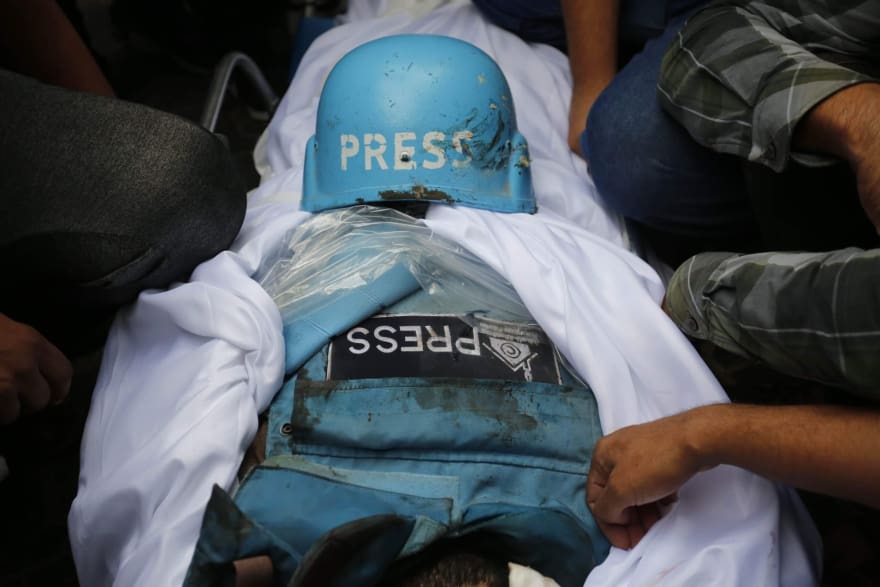
In austere, fragmented lines, Sara Abou Rashed’s poem “It Comes Down to This” memorializes Shireen Abu Akleh and the hundreds of Palestinian journalists murdered by the Israeli state.
-
In “DOME EACH IRIS,” poet Jess Liu creates a sonic landscape that dramatizes capital’s plasticization of everyday life.
-
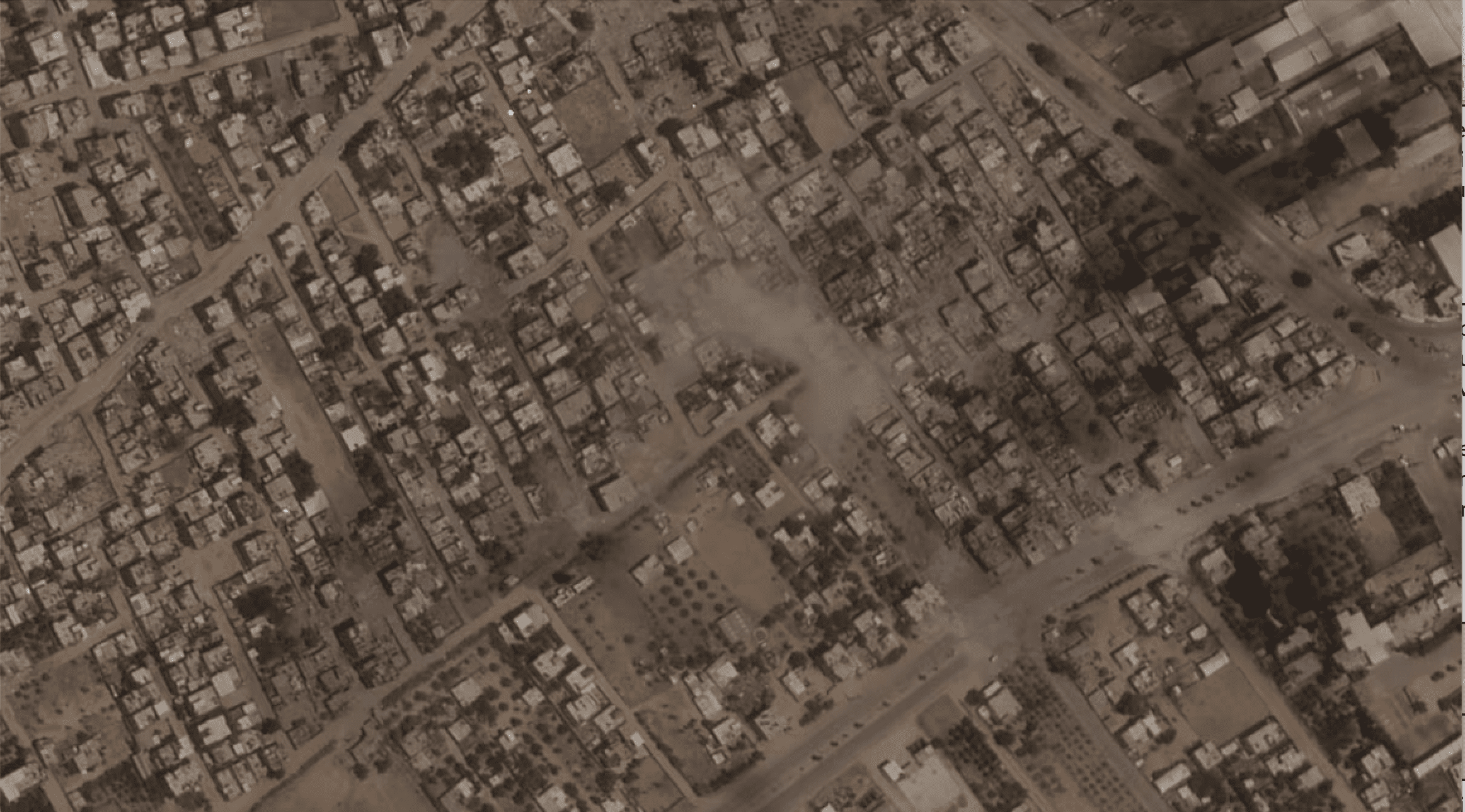
In “red script of questions,” poet Ali Choudhary creates a harrowing dialogue with the children of Gaza as they continue to endure Israel’s genocide.
-

In “Live Action Role Play,” poet Christopher Blackman considers the linkages among LARPing, imperial decay, and the splendor of a full moon.
-
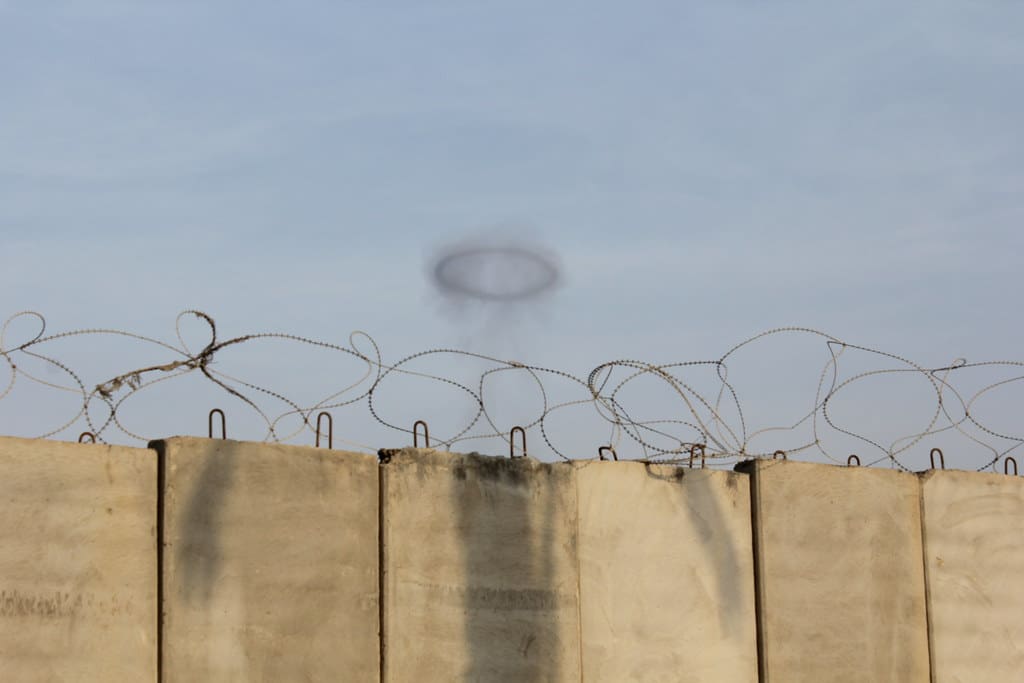
Poet Ahmad Ibsais’s “Threadbare in Rafah” narrates the steadfastness of Palestinian children against the unimaginable terrors of Israel’s genocide.
-
Poet Chris Campanioni’s “we never hear about the fathers of birds” explores the contradictory ways the self is formed, concluding that “the rich // confusion between a thing & / I arrives always / through violence.”
-
Poet Justin Aoba’s “Central Administration Integrates a Dependent Territory” moves through the brutalities of state-formation and collapse, illuminating “fissures / read by the scraping of tremulous finger, / dry lips.”
-
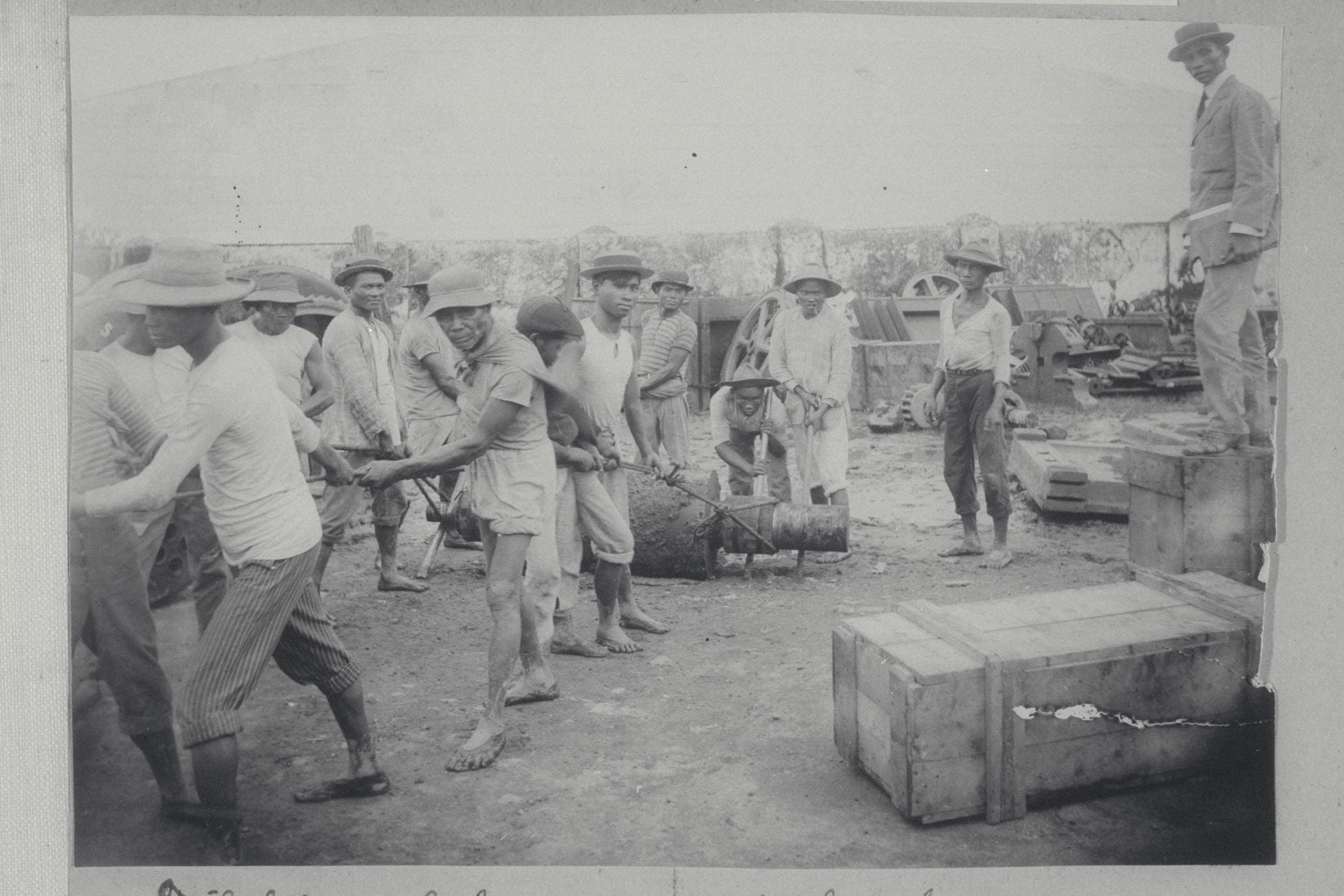
Part of a series of archival ekphrasis, Eric Abalajon’s “filipino laborers working as the boss looks on” interprets the visual remnants of class struggle from economic periphery to imperial core.
-
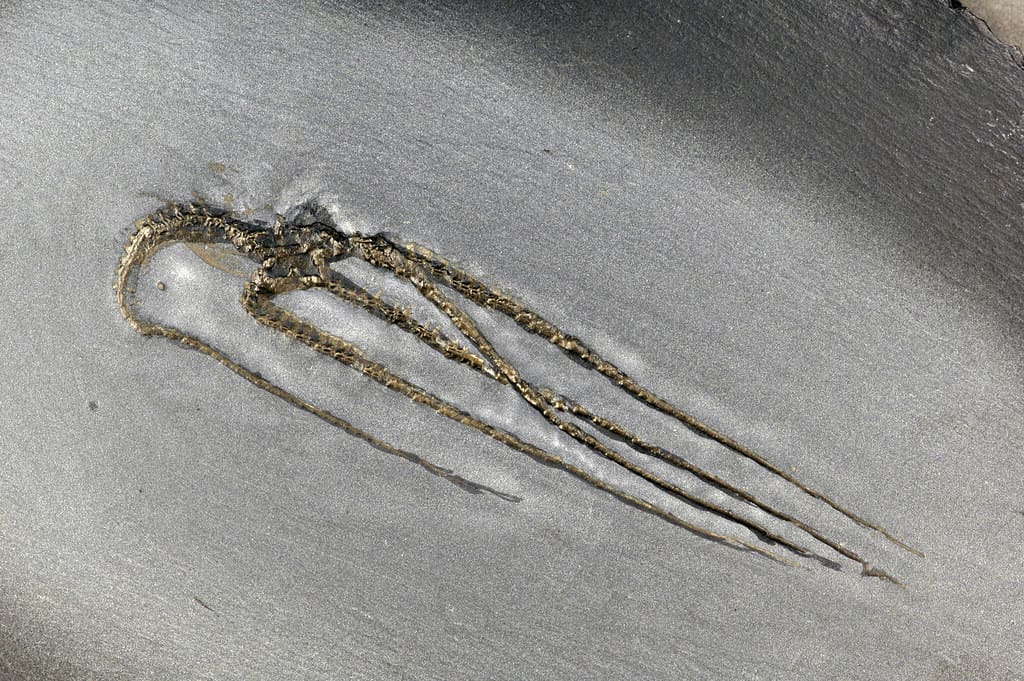
In dialogue with the Qur’an, Ayesha Siddiqi’s poem “Sand” animates the inanimate, exploring what toils “in the machinery of the world.”
