

An independent, ad-free leftist magazine of critical essays, poetry, fiction, and art.
-
Israel’s unsettled borders, writes Mary Turfah, are not “a bug… but a feature of the Zionist state,” allowing it to justify endless war in the name of an intentionally elusive “peace.” This essay appears in Protean Magazine Issue V: Contra Temps.
-
From Issue IV: Ryan Moore examines Marx’s analyses of the U.S.—and his onetime emigration plans. Drawn to communities of German socialist expatriates in the area, Marx once considered making his way to Texas. Steeped in a separate history, how might he have formulated the political economy of the capitalist slave…
-

Iranian director Ahmad Bahrami remains little known in the West, but the director—a spiritual and formal heir to Hungarian master Béla Tarr—deserves much wider recognition, writes Séamus Malekafzali.
-
In this article from Protean Issue IV, Mason Wong writes on the ambiguities around inhabiting connotations of “East” and “West,” and distortions thereof—the ways by which literature, culture, and selfhood alike are filtered through countless prisms. Can fiction really be fraudulent, if fictions of a sort constitute our identities?
-
In the 1930s, Ludwig Wittgenstein embarked on an abortive trip to Russia in order to work with his hands. Writer Jared Marcel Pollen traces the affinities between Wittgenstein’s late philosophy and the historical materialist currents that animated the Soviet revolution.
-
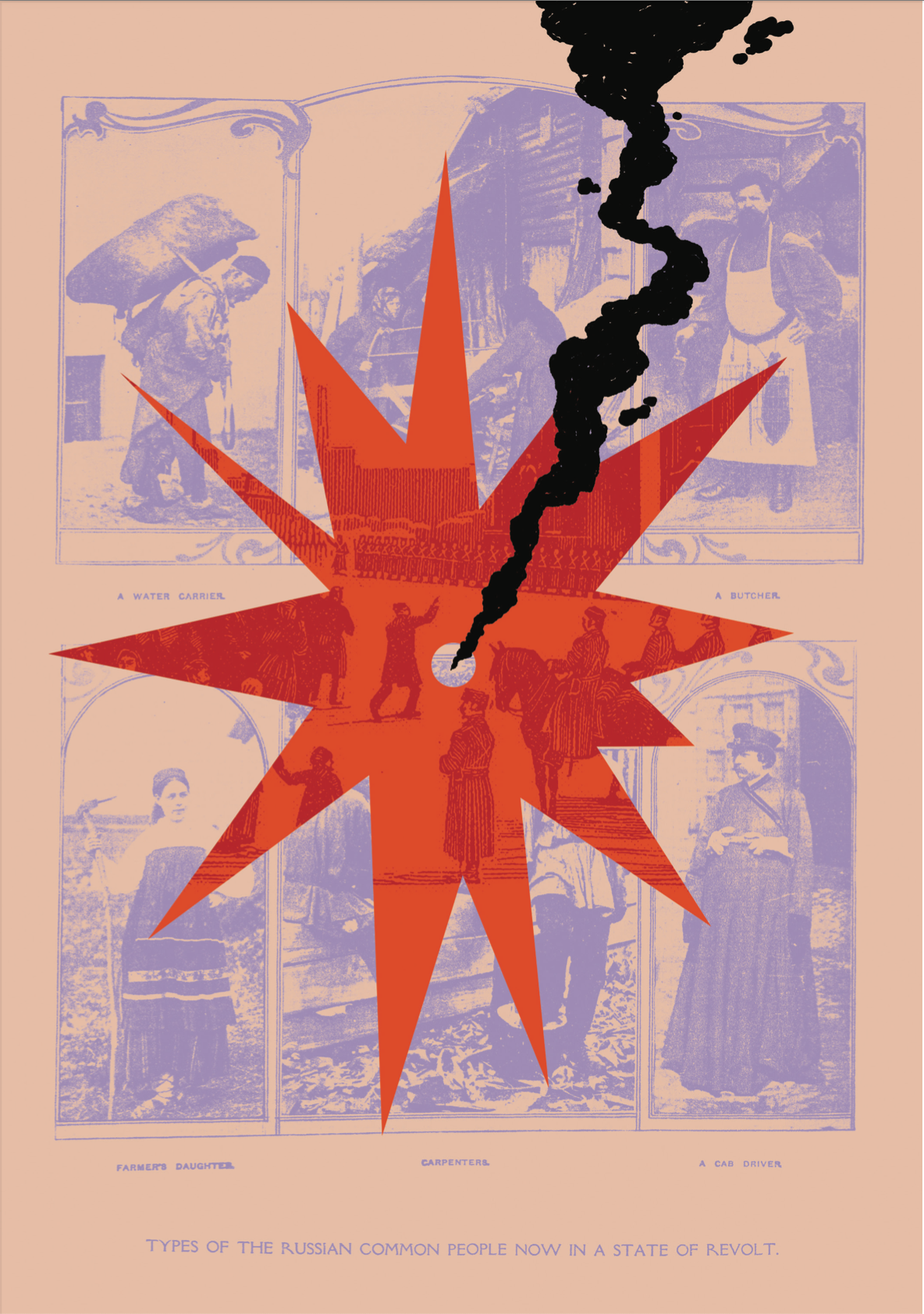
In Protean Issue IV, Greg Afinogenov shared the story of his Russian revolutionary ancestor, Antonina Vasilievna Fessalonitskaia, and reflected on the pitfalls and possibilities of contesting power structures in two very different historical moments. Is our present state of decay a revolutionary ferment—or merely an imperial rot?
-

Taylor Miller examines the continuities between the disparate borderlands of the Sonora Desert and Palestine. In both, Israeli arms manufacturer Elbit Systems uses living people as a testbed for violent technologies, and the same logics of militarized exclusion underlie both colonizing enterprises.
-
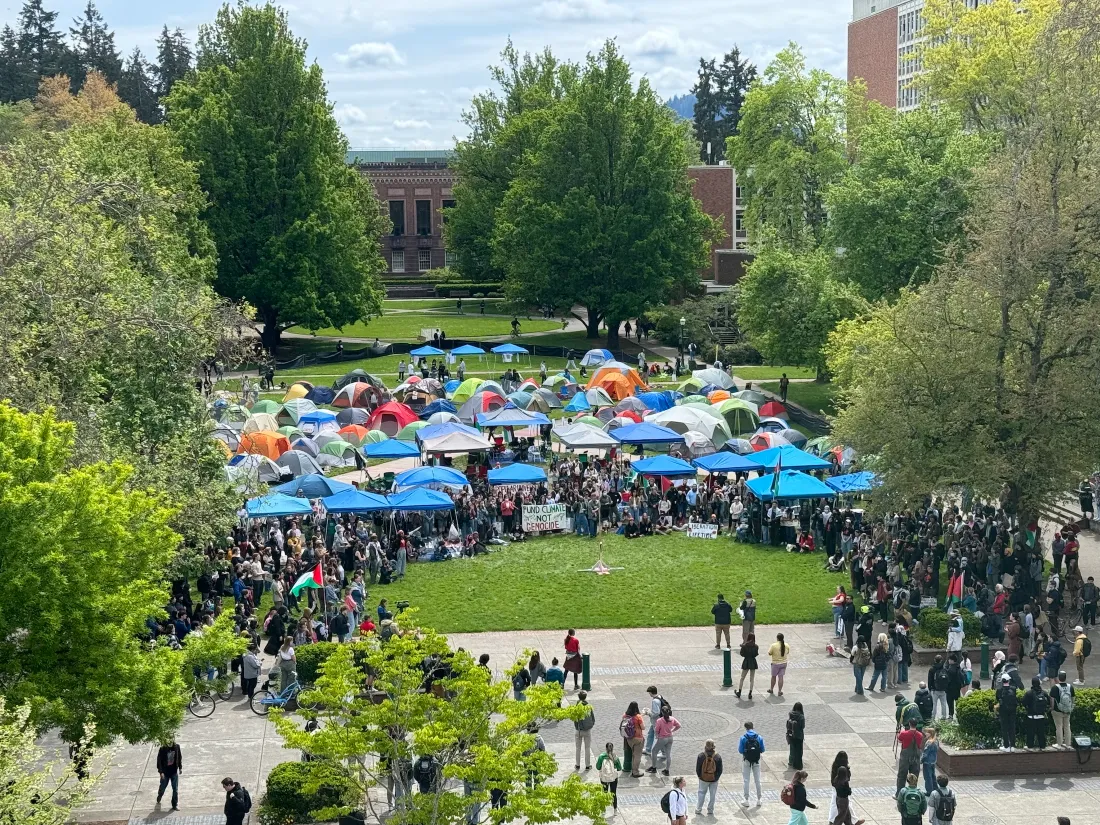
Abdelrahman ElGendy writes about The Encampment—from Egypt’s Tahrir Square to the current Palestine solidarity encampments spreading across US campuses—as sites of radical love. As embodying revolutionary ways of seeing and being, ways which threaten the rotten status quo.
-
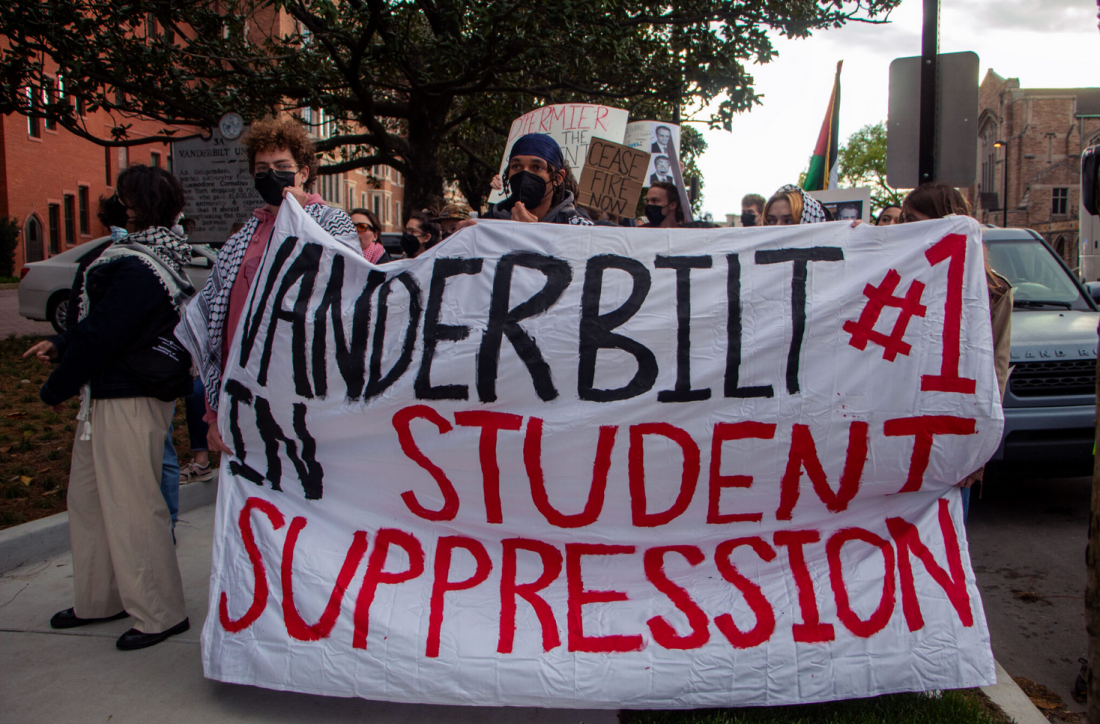
Andy Hines writes on how profit incentive, prestige-seeking, and student repression intersect at elite U.S. universities. Despite institutions’ public commitments to free expression, willingness to quash protests can in fact be a selling point.
-

Republished here is an excerpt from philosophers Divya Dwivedi and Shaj Mohan’s forthcoming collection of essays, “Indian Philosophy, Indian Revolution: On Caste and Politics” along with an introduction from the authors. The excerpted essay, “Democracy and Revolution,” tackles the dialectical relationship between the two concepts in service of the realization…
