

An independent, ad-free leftist magazine of critical essays, poetry, fiction, and art.
-
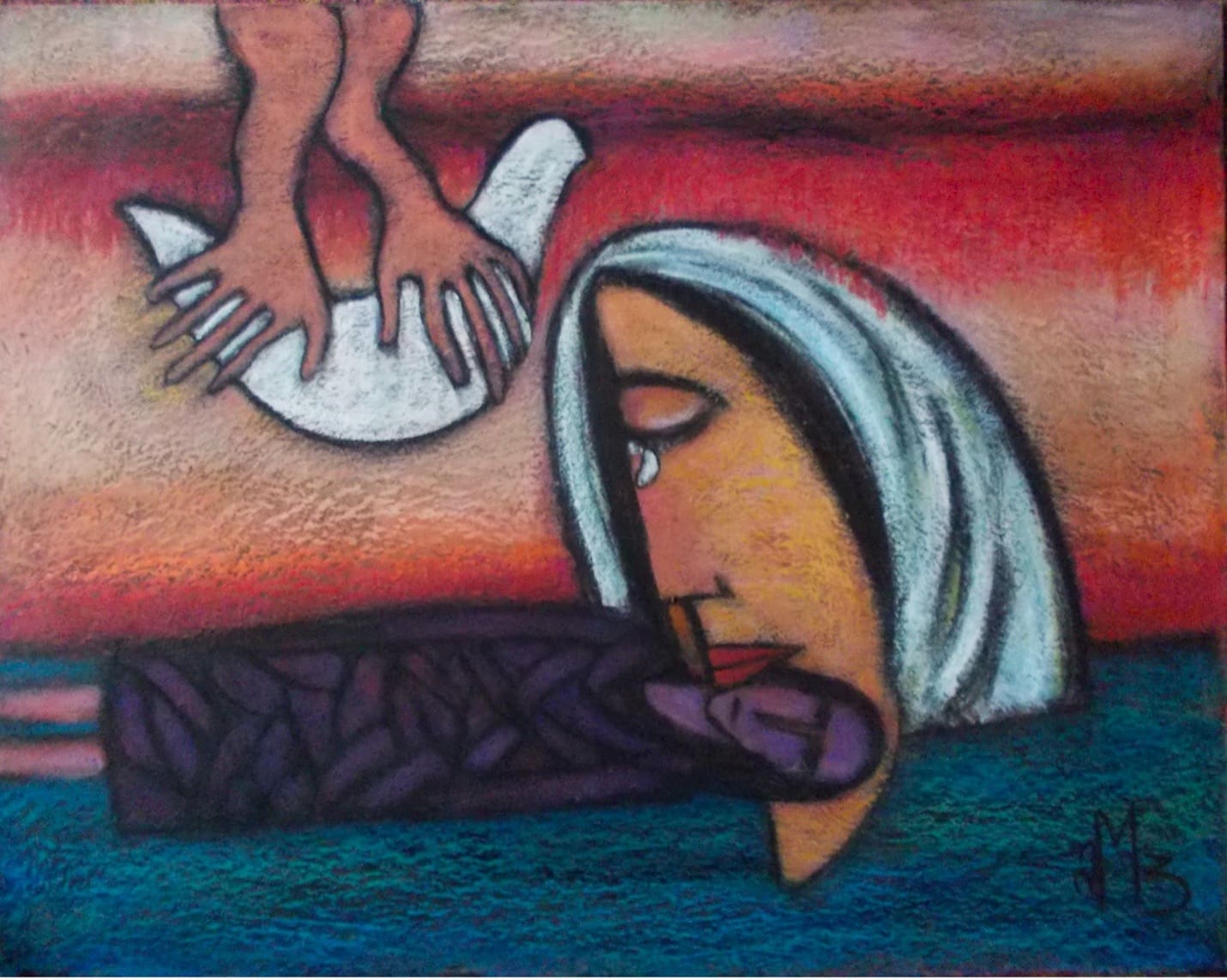
Bayan Haddad once taught literature to Oudeh Hathaleen, who would become a teacher himself, as well as Palestinian community advocate and consultant on the Oscar-winning documentary No Other Land. In July, Oudeh was murdered by an Israeli settler. Haddad reflects on the lessons taught by colonial violence.
-
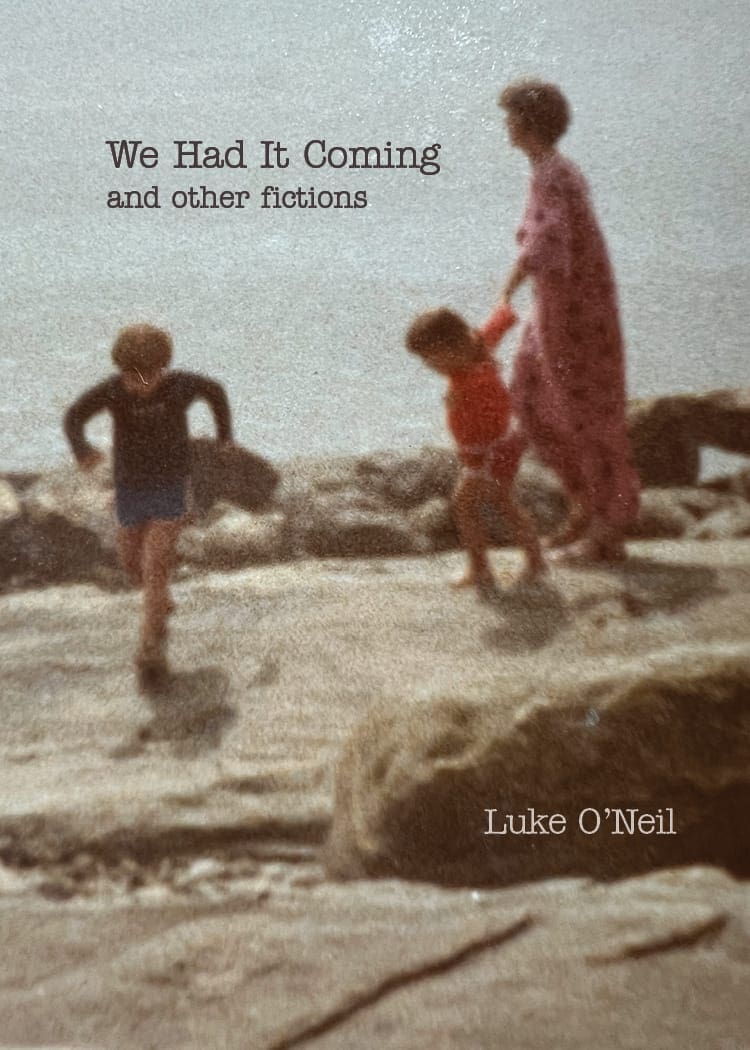
Three new short stories by Luke O’Neil—”The rules,” “How to live,” and “Something that was once potentially good”—are excerpted here from his new book of stories, We Had it Coming, out from OR Books.
-

This Halloween, Kim Kelly digs into the history of medical graverobbing and desecration-for-profit—a long-buried symptom of the heedlessness and abject cruelty of centuries past. Right? Surely nothing so grotesque and monstrous could still be taking place in our enlightened contemporary era.
-
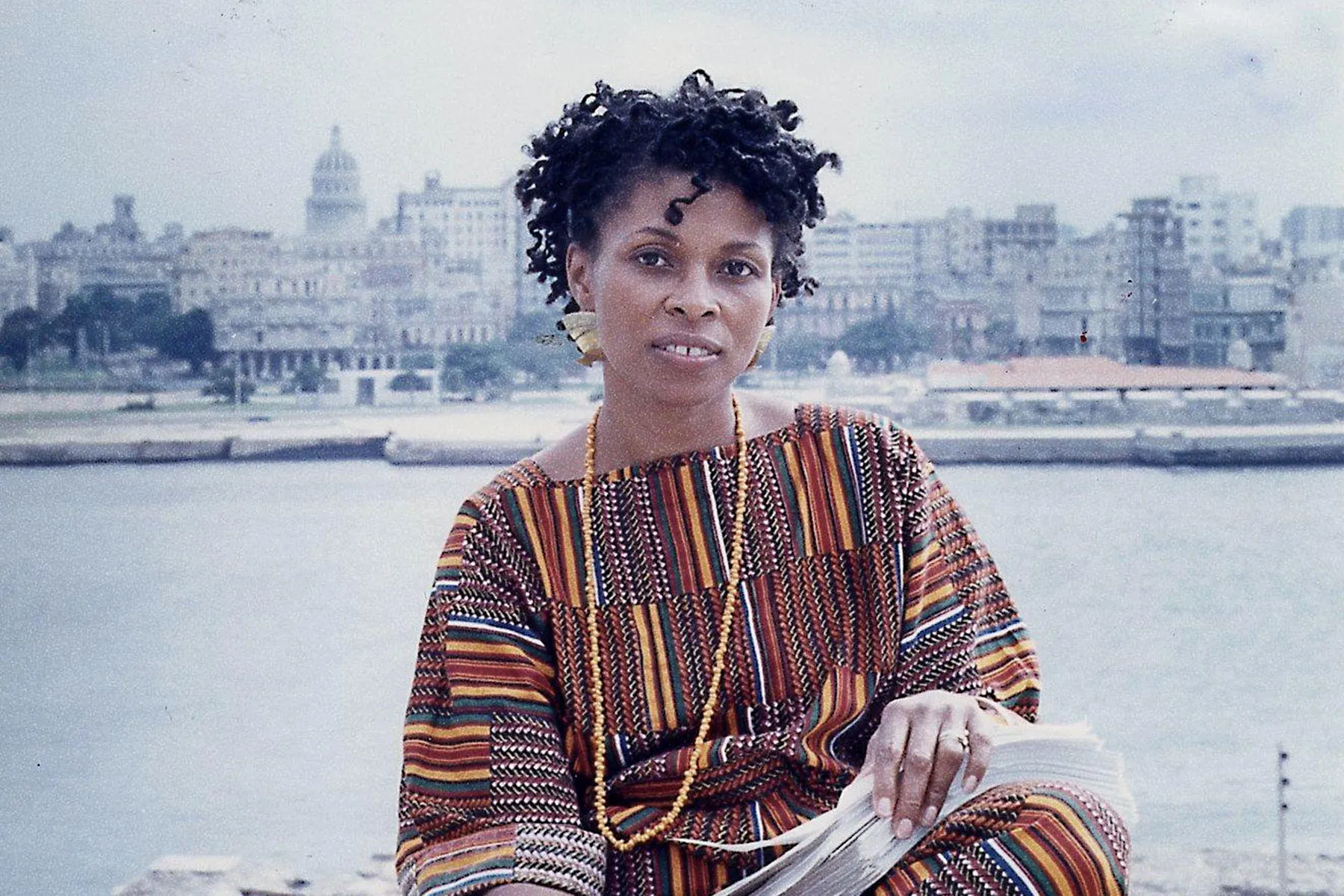
In late September, Black revolutionary Assata Shakur died in Cuba a free woman. Orisanmi Burton celebrates her life and her unceasing dedication to the revolutionary struggle for liberation from U.S. empire and all that it entails.
-
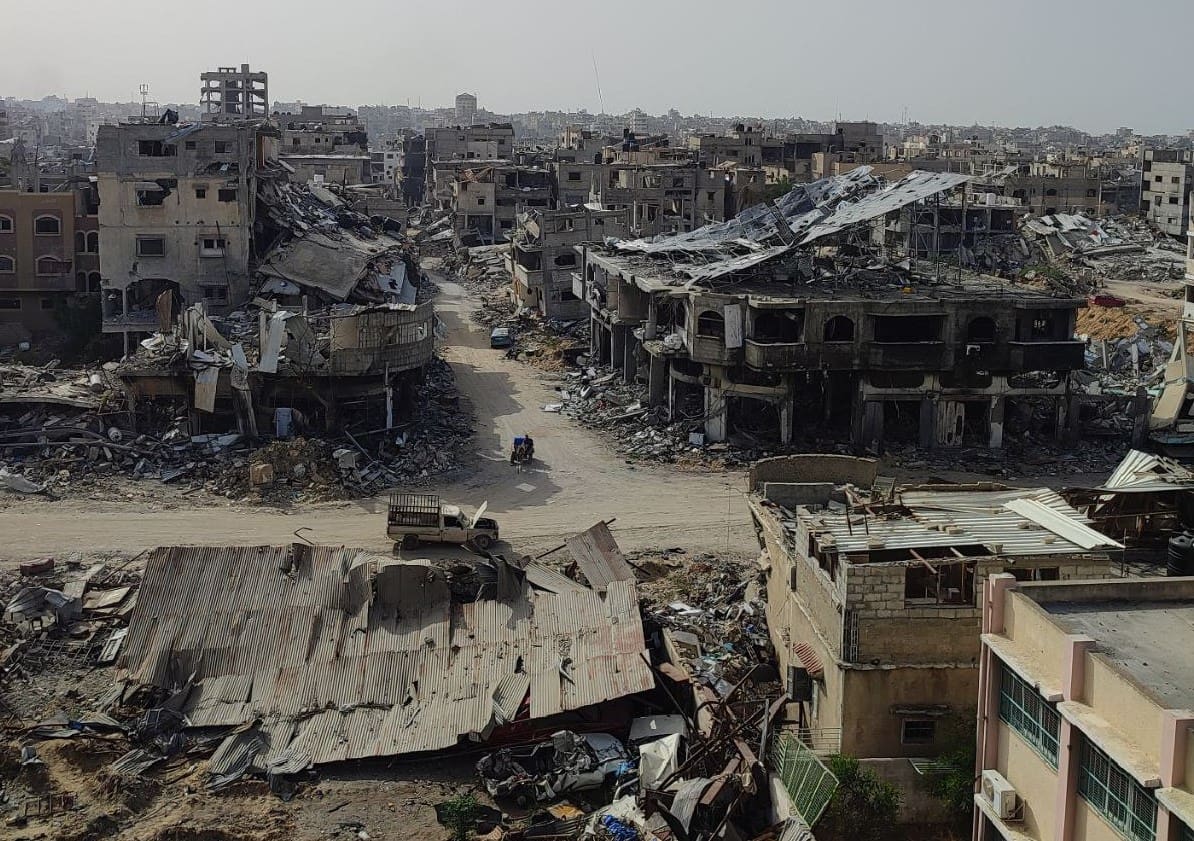
Rawad Wehbe writes with an extended critique of the shallow representationalism and tokenization that have marked the orientation of leading Western media spaces towards Palestinian poetry. Rather than engaging with a flourishing new poetics and a rich tradition, establishment publications are all too ready to relegate diversity to one representative—Gazan…
-
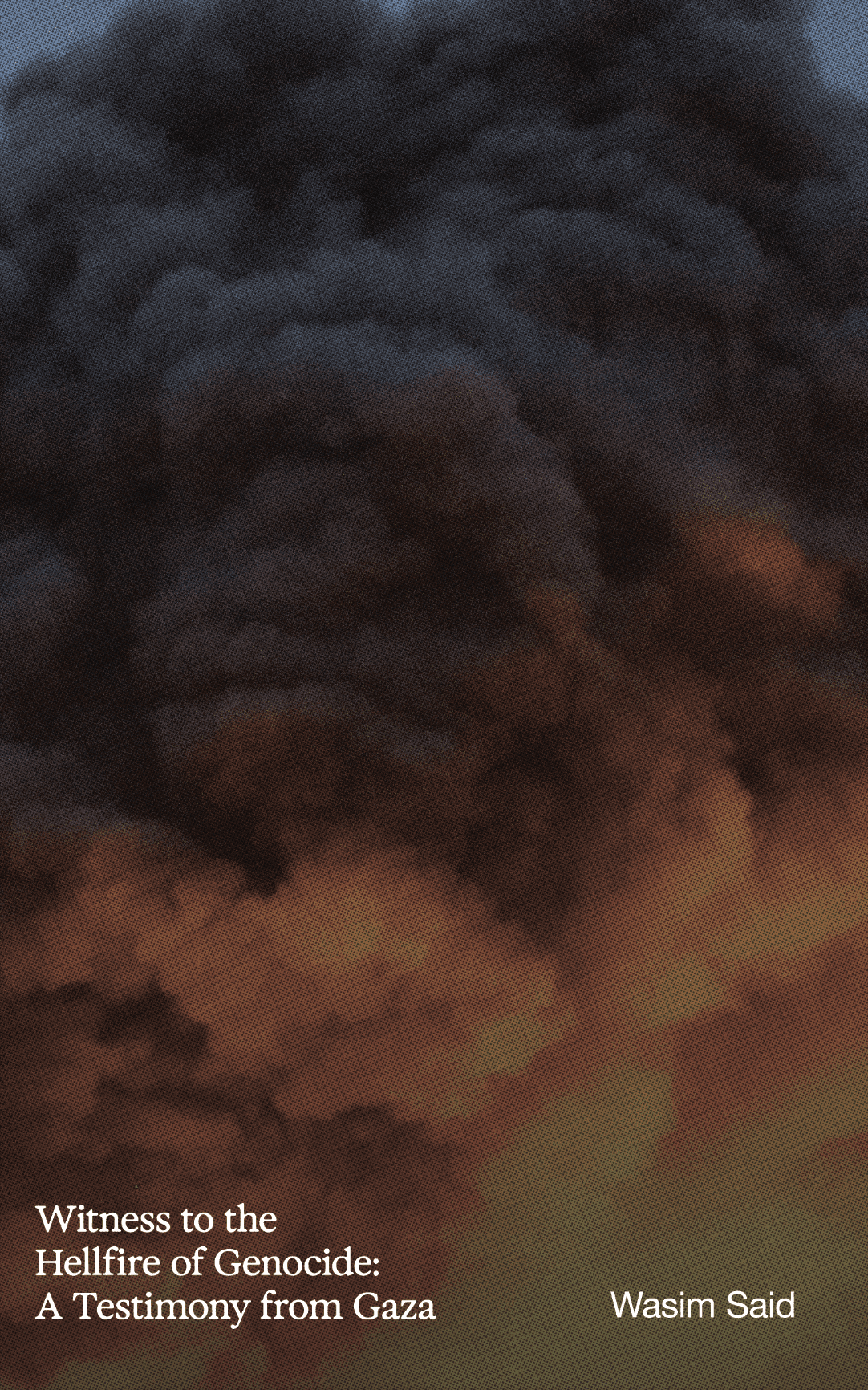
This excerpt is drawn from Mousa Alsadah’s foreword to the collected writings of Wasim Said—a Gaza survivor who, writing as he fled the killing, recorded stories of unthinkable horror and suffering. Said’s writings are being published as “Witness to the Hellfire of Genocide: A Testimony from Gaza,” forthcoming from 1804…
-

Kate Wagner’s essay in Protean: Issue V explores the art and life of the Yugoslavian painter France Micheli , who was an interpreter of nature, ritual, and, in many ways, an interrogator of death. His introspective yet universalizing work, like his famous depictions of the folk deity Kurent, breath with…
-
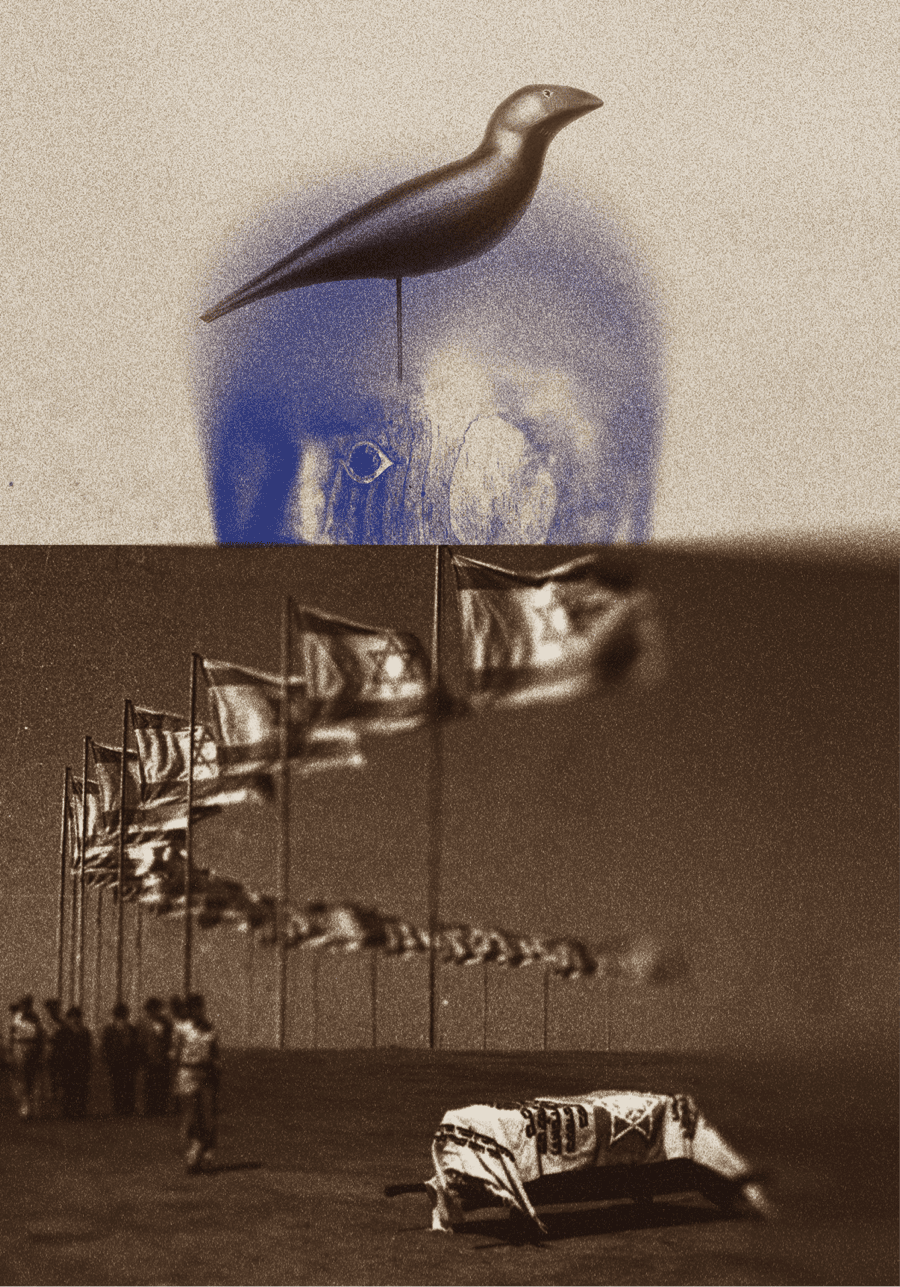
From Issue V: Philosopher, theorist, and critic Alberto Toscano reads the works of Italian thinkers and Jewish leftists Franco Fortini and Furio Jesi, who grappled with the ethical necessity of confronting Zionism. Toscano considers Zionisms of the past and present as ideologies that have “technicized” religio-historical myth.
-

In “Poetry Begins at STOP: Etel Adnan & Arabic,” Huda Fakhreddine examines place, time, and anti-colonial memory in Arabic literature, concluding that “A poem in itself is survival, and a poem written post-extermination is a victory.”
-

Syrian director Mohammad Malas’s films attempt to preserve the memory of Quneitra, the Syrian town destroyed by Israel in 1974. With Israel again invading Syrian territory, Séamus Malekafzali introduces the filmmaker’s mournful, & newly relevant oeuvre.
