

An independent, ad-free leftist magazine of critical essays, poetry, fiction, and art.
-
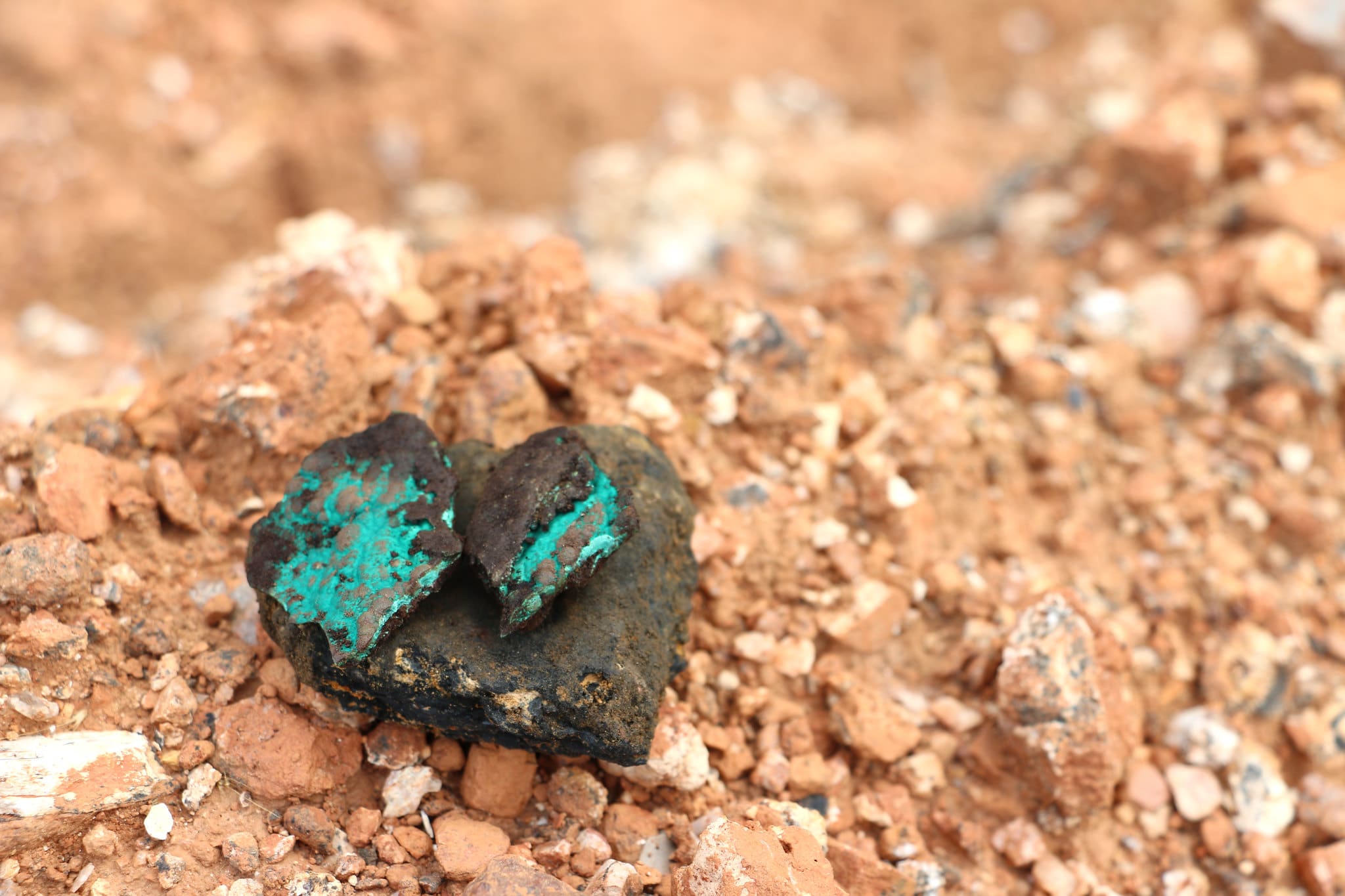
Poet Rodrigo Toscano’s “Sapeurs and Cobalt” explores the contradictions of globalization in the Congo through the elegant figure of the Sapeur and the brutalities of the cobalt mine.
-

In “The Stench” and “[…],” poet and translator Fady Joudah responds to recent atrocities committed by Israel during its ongoing genocide of the Palestinian people –– a genocide not only of human beings, but, as Joudah reminds us, of all forms of life in Palestine.
-

Poet Kato Bisase’s “Entangled in cool” lays bare the rot and violence lurking behind the “white thirst” for Black language.
-
Palestinian Lebanese poet Randa Tawil’s “Poem for Gaza” meditates on the vertiginous experience of watching the Palestinian genocide unfold: “Time is bent,” she writes, “It has cracked open. Destiny is devouring us.”
-

Simone Reid’s poem “Haitian Revolutionist” wields the plantain and mango as instruments of rebellion that sustain Haiti’s centuries-long struggle against western imperialism.
-

In “‘Today I’ll Write about Revolution,'” poet Natalie Wee reminds us that genuine solidarity with liberation struggles in Palestine, Congo, and Sudan demands thinking beyond the confines of the nation and its “architectures of cruelty.”
-
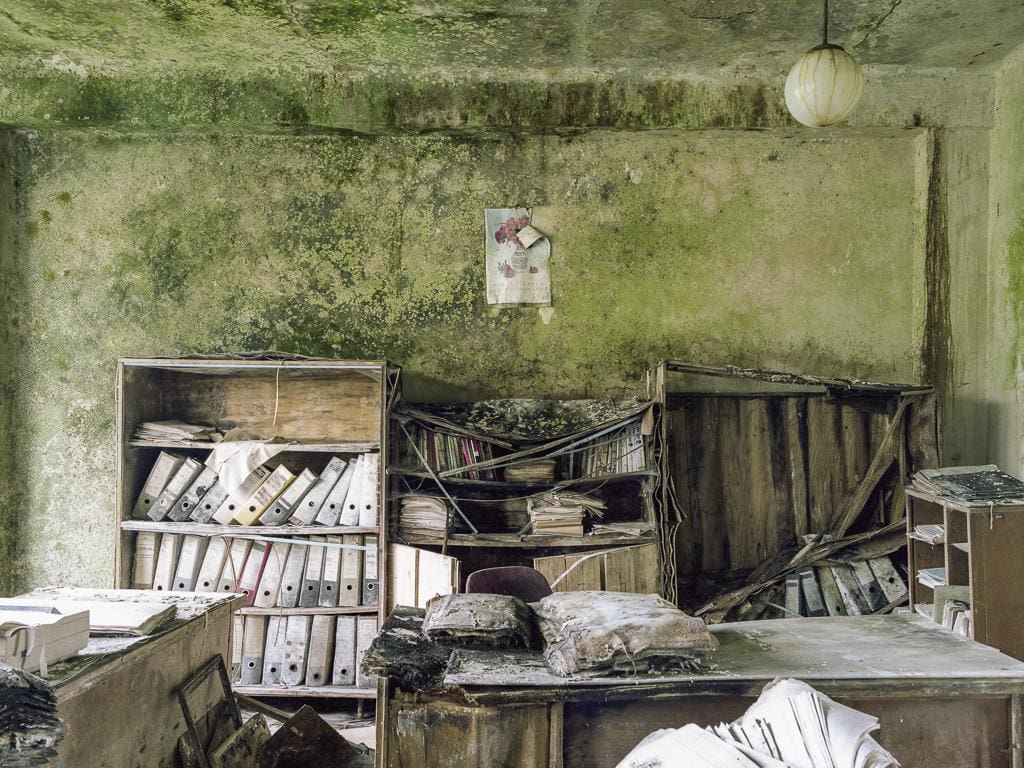
Poet Maryam Farnam’s “Work Sets Free,” translated from Persian by Kamran Baradaran, explores the predations of capitalism through a deep engagement with the Qur’an.
-
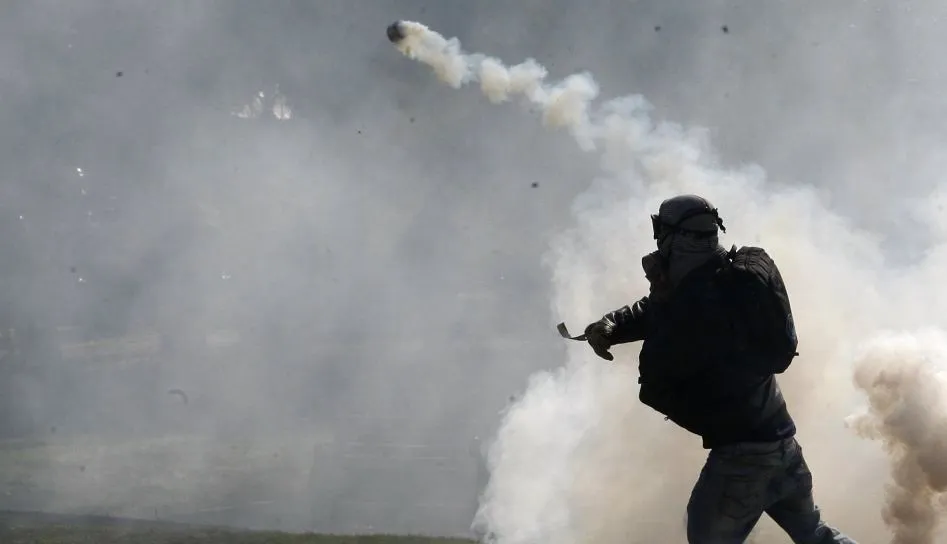
In “Poem (Sept 26, 2023),” poet and theorist Joshua Clover reminds us all that, from Palestine and Oakland to Santiago and Standing Rock, no revolutionary movement is over.
-
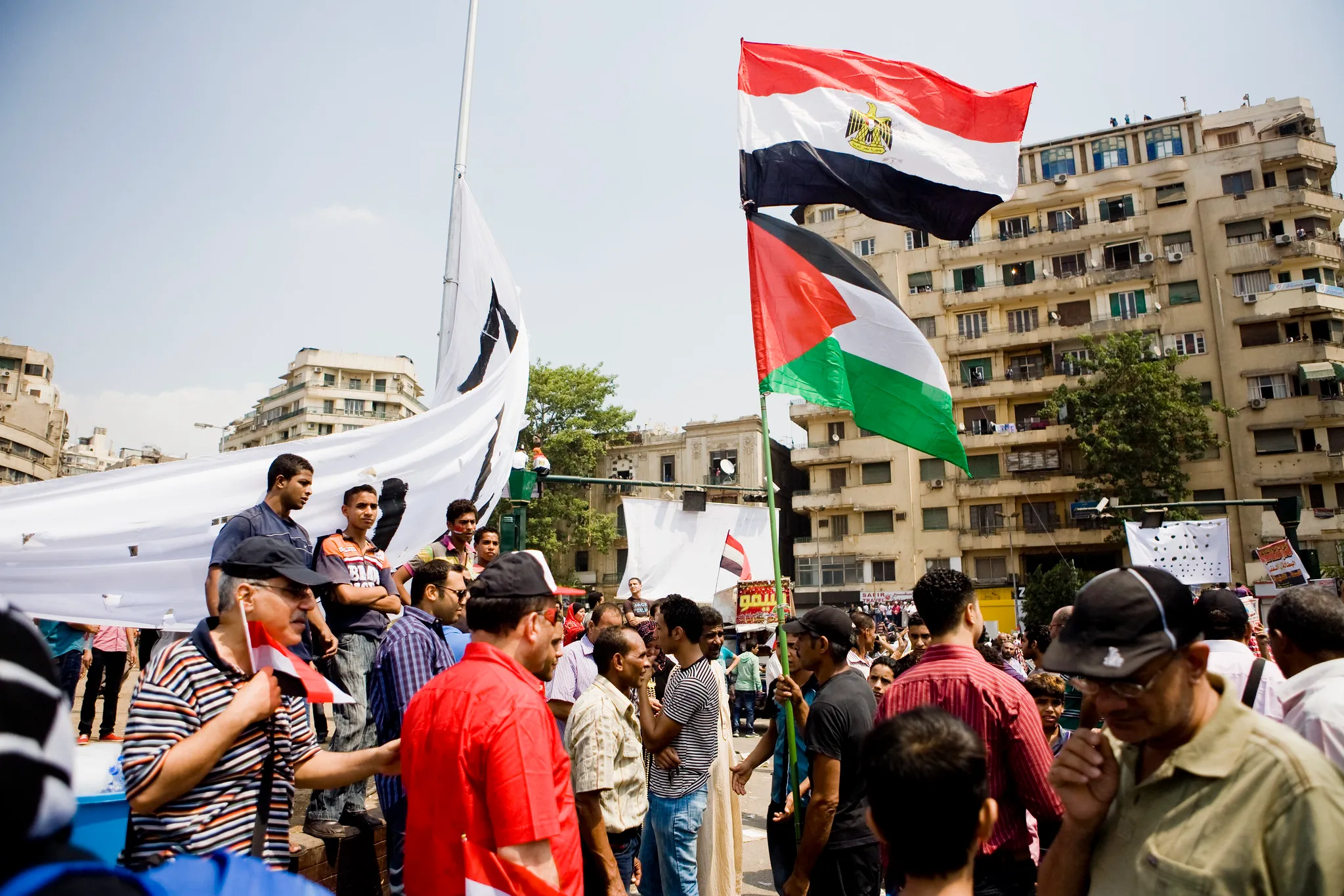
To mark the anniversary of the 2013 Egyptian coup, we’re honored to publish Abdelrahman ElGendy’s translation of Ahmed Douma’s poem “The Boy, Once Holy.” Imprisoned for over a decade by reactionary governments, Douma remains one of the most crucial voices on the Egyptian left and the transnational Palestine solidarity movement.
-

Poet [sarah] Cavar’s “Every Trans Suicide Is State Sanctioned Murder” is a stunning reflection on transition and the ongoing structural and interpersonal violence against queer people. [Content warning: mentions of suicide and sexual assault throughout.]
