

An independent, ad-free leftist magazine of critical essays, poetry, fiction, and art.
-

In this excerpt from his forthcoming project, Disfigurations, poet David Buuck seethes against the genocidal violence in Palestine and the inability of poetry to stop it.
-

Poet and translator Noah Mazer’s “the revolutionary love thing” is a lyric rebuke of the ways “revolutionary love” can mystify colonial dynamics by “asking the brutalized / to love for our distant sake.”
-
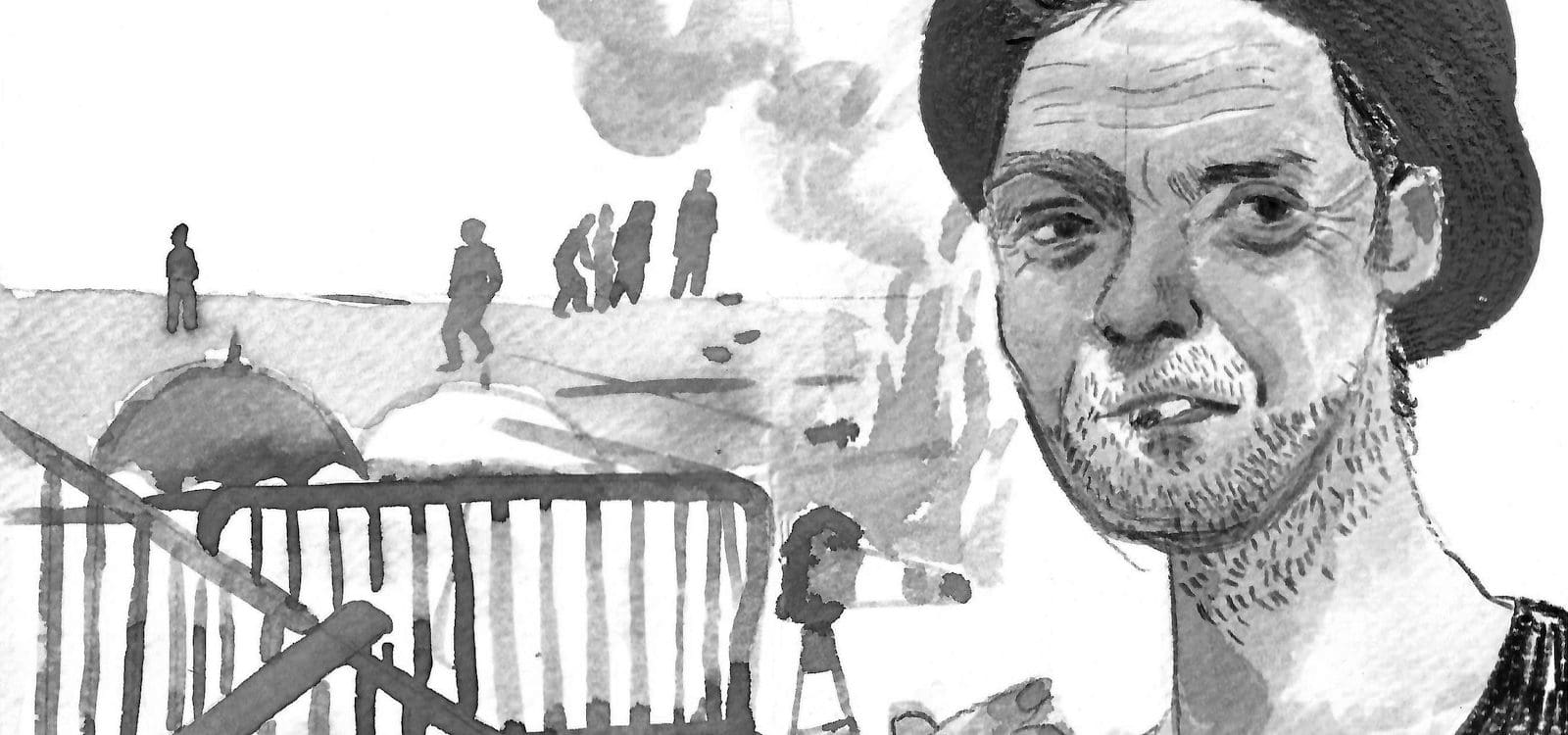
Poet Jasper Bernes’s “After Sean Bonney” pays tribute to the late English poet with a militant howl that demands the realization of communism’s emancipatory promise.
-
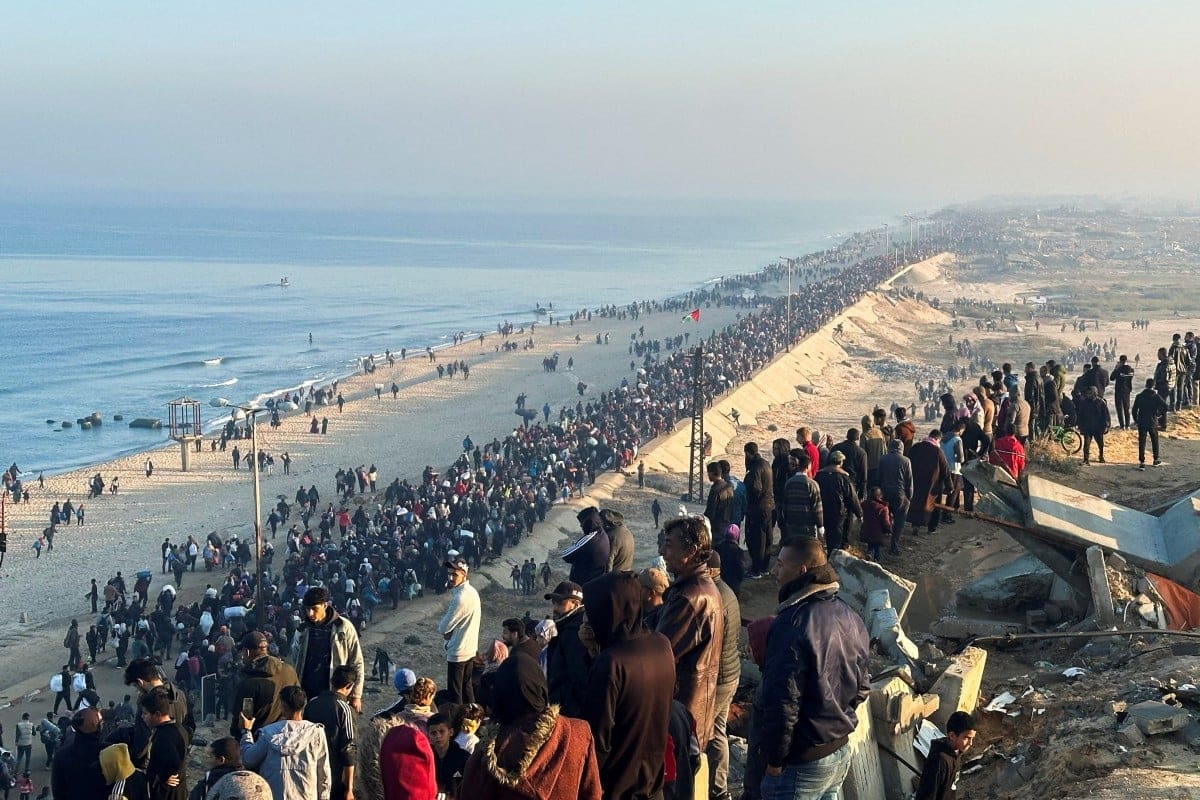
In “Tent,” Palestinian poet and artist Asmaa Dwaima offers a brief, heartbreaking lyric that explores the unimaginable suffering of Gaza’s children as they endure the brutalities of genocide.
-

Sudip Bhattacharya’s poem “this faith” fearlessly reckons with the contradictions of diasporic Hinduism –– from the Ganges to the Hudson river.
-
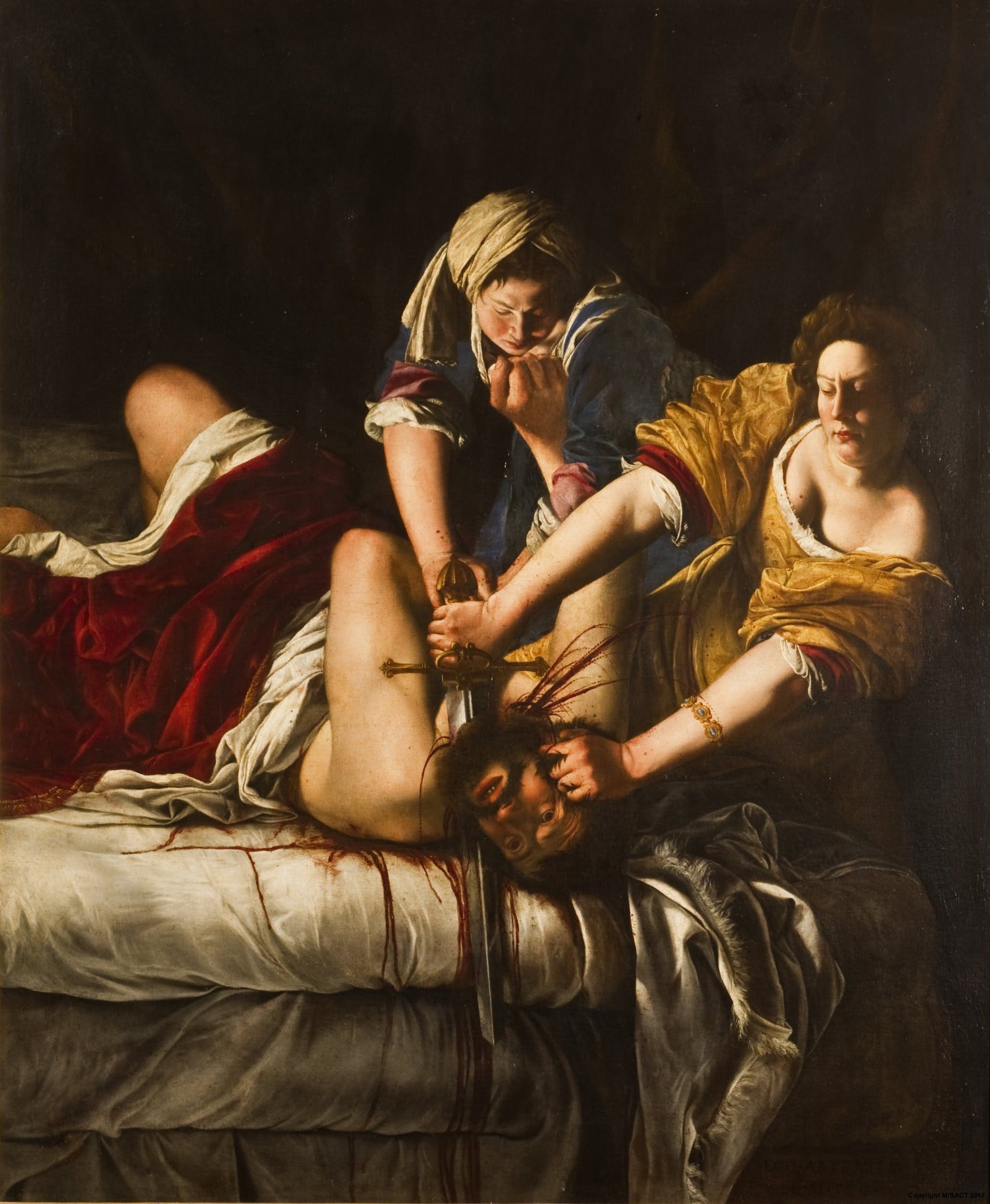
In “Study for Portrait with Holofernes,” Laura Nuckols reimagines the biblical story of Judith and Holofernes as a lyric drama of domestic labor and revenge.
-

Lena Tuffaha’s “What to the Arab American Is Election Day” cuts through the noise of US electoral politics to remind us that, more than anything else, today is “A Tuesday in the second November of the Genocide.”
-

In “Hunger the Grasshopper and Famine the Locust,” poet Fady Joudah meditates on food as a weapon of settler colonial domination in Palestine: “Then starvation harvested miracles for us, / and solidarity spoke / in a bubble.”
-

“Spine of genocide” is a blistering critique of the ivory tower, whose “wordsmiths were wordless on Palestine.” “Coward,” the poet jeers, “you are every ridge on the spine of genocide.”
-
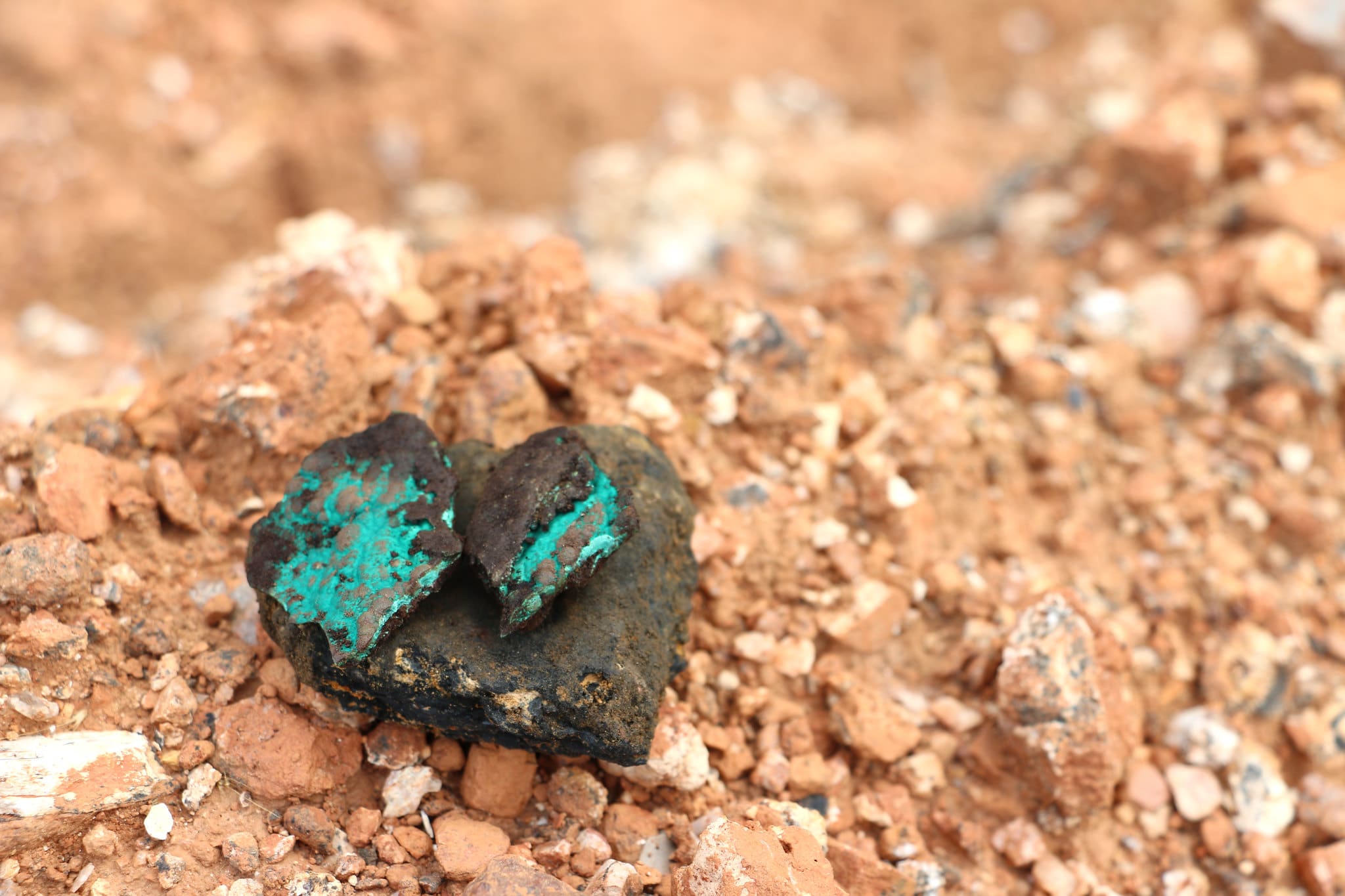
Poet Rodrigo Toscano’s “Sapeurs and Cobalt” explores the contradictions of globalization in the Congo through the elegant figure of the Sapeur and the brutalities of the cobalt mine.
