An independent, ad-free leftist magazine of critical essays, poetry, fiction, and art.
-
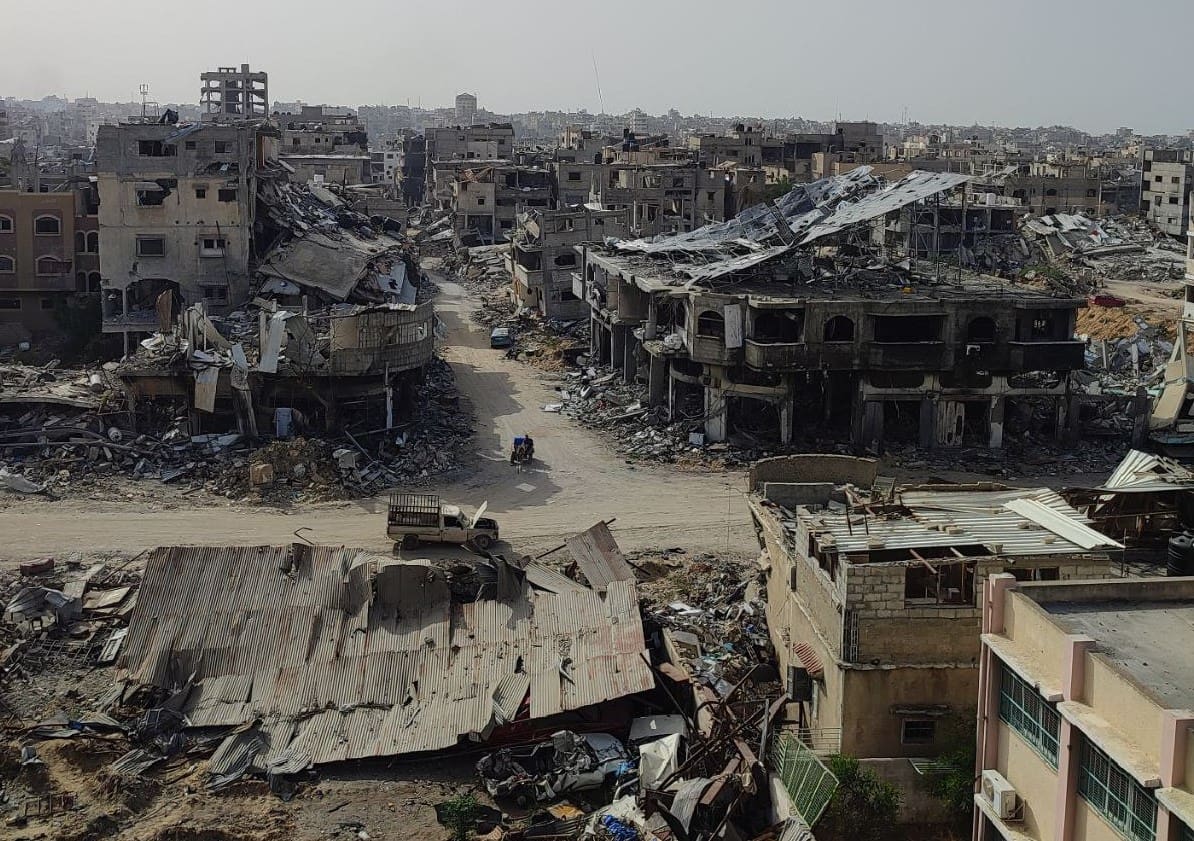
Rawad Wehbe writes with an extended critique of the shallow representationalism and tokenization that have marked the orientation of leading Western media spaces towards Palestinian poetry. Rather than engaging with a flourishing new poetics and a rich tradition, establishment publications are all too ready to relegate diversity to one representative—Gazan…
-

Poet Fadairo Tesleem’s “almost a love poem” explores the fervor and agony of being in love while the world collapses around us.
-
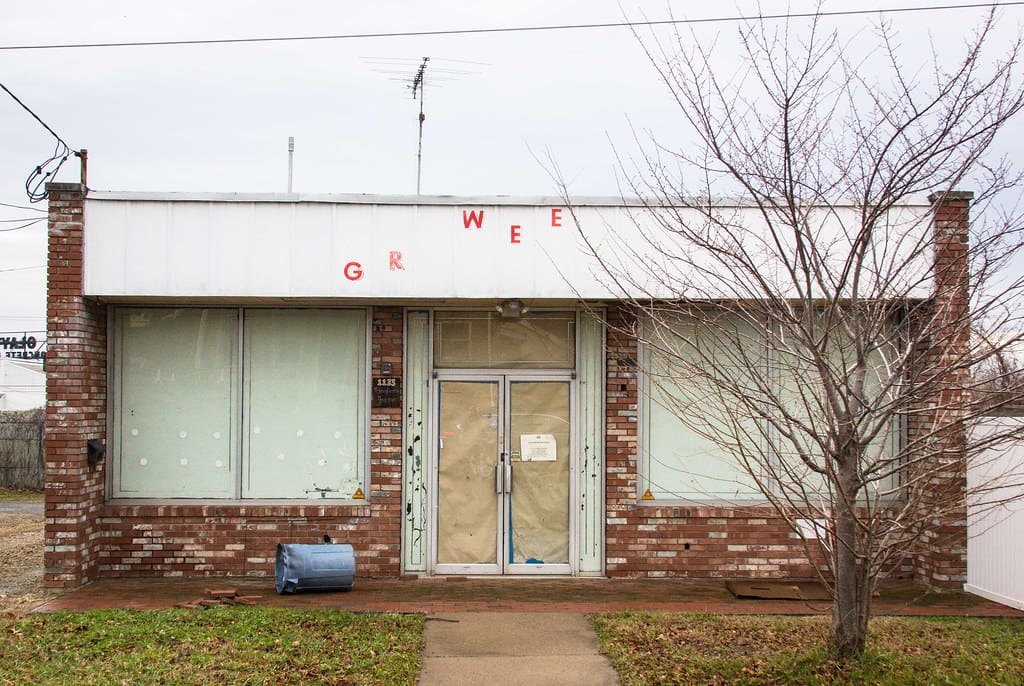
In “Cetaphil,” poet and musician Grant Pavol presents a brief, absurdist vignette that transforms a pharmacy’s skincare aisle into a theater of commodity fetishism.
-

In “1981,” poet mónica teresa ortiz presents a collage of cultural detritus and personal reflections, concluding with a fundamental question: “What if John Hinckley Jr. had been a better shot?”
-

In “i love you more than the law will let me,” poet and journalist Jacqui Germain extols the barricade, the torched precinct, and the looted storefront as the highest expressions of revolutionary tenderness.
-

In “We Speak in the Plural: A Poem in Many Voices,” Palestinian Feminist Collective member Amanda Najib offers a polyphonic narrative of motherhood in Palestine and the diaspora –– a generational struggle “to mother a child / while the world un-mothers itself.”
-
We’re delighted to publish Natalie Shapero’s “Triple Double” and “Three Mysteries” –– two poems that explore death, basketball, and the violence of the commodity-form.
-

In “Toward a Modern Monetary Theory of Doeflation,” poet Natan Last deconstructs the term “stagflation,” reveling in the jargon of economy and ecology.
-

Drawing upon the work of Sean Bonney and Joshua Clover, poet Joni Prince’s “Clarification Letter, Nov 2023” illuminates the stakes of the present crisis from Sacramento to Bab Al-Mandab.
-
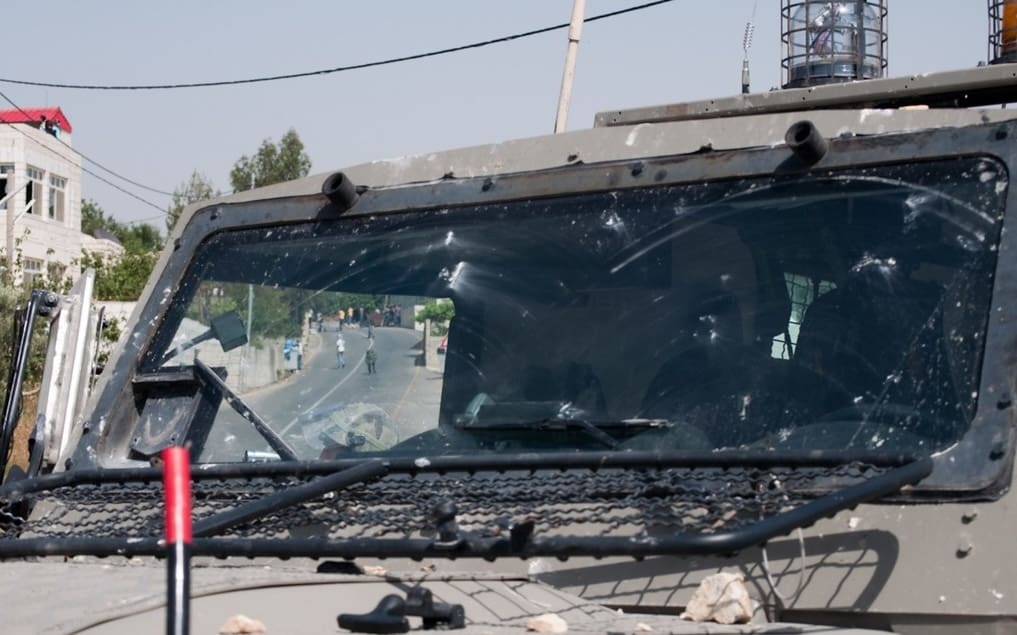
Poet Edward Salem’s “I Hid in the Bushes” narrates the speaker’s harrowing detainment by the Palestinian Authority after filming its collaboration with the occupation army.
