

An independent, ad-free leftist magazine of critical essays, poetry, fiction, and art.
-

The team at The Institute for Palestine Studies has been translating and publishing messages from Gaza as Israel continues its assault on the strip. To help maximize their reach, we are republishing these messages here. This is the fifth post in this series.
-

The team at The Institute for Palestine Studies has been translating and publishing messages from Gaza as Israel continues its assault on the strip. To help maximize their reach, we are republishing these messages here. This is the fourth post in this series.
-

In the present crisis, the question of allowing refugees into Egypt is most often framed as one of humanitarian concerns, obscuring the actual goal of this “solution” to the crisis: ethnic cleansing, writes Nihal El Aasar.
-

The team at The Institute for Palestine Studies has been translating and publishing messages from Gaza as Israel ramps up its assault on the strip. To help maximize their reach, we are republishing these messages here. This is the third post in this series.
-

The team at The Institute for Palestine Studies has been translating and publishing messages from Gaza as Israel ramps up its assault on the strip. To help maximize their reach, we are republishing these messages here. This is the second post in this series.
-

The team at The Institute for Palestine Studies has been translating and publishing messages from Gaza as Israel ramps up its assault on the strip. To help maximize their reach, we are republishing these messages here.
-

Divya Dwivedi, a prominent Indian philosopher, has come under attack by right-wing forces for her sharp critiques of the caste system and Hindu nationalism, explains Anthony Ballas. Also published here are two letters of support from Indian academics.
-
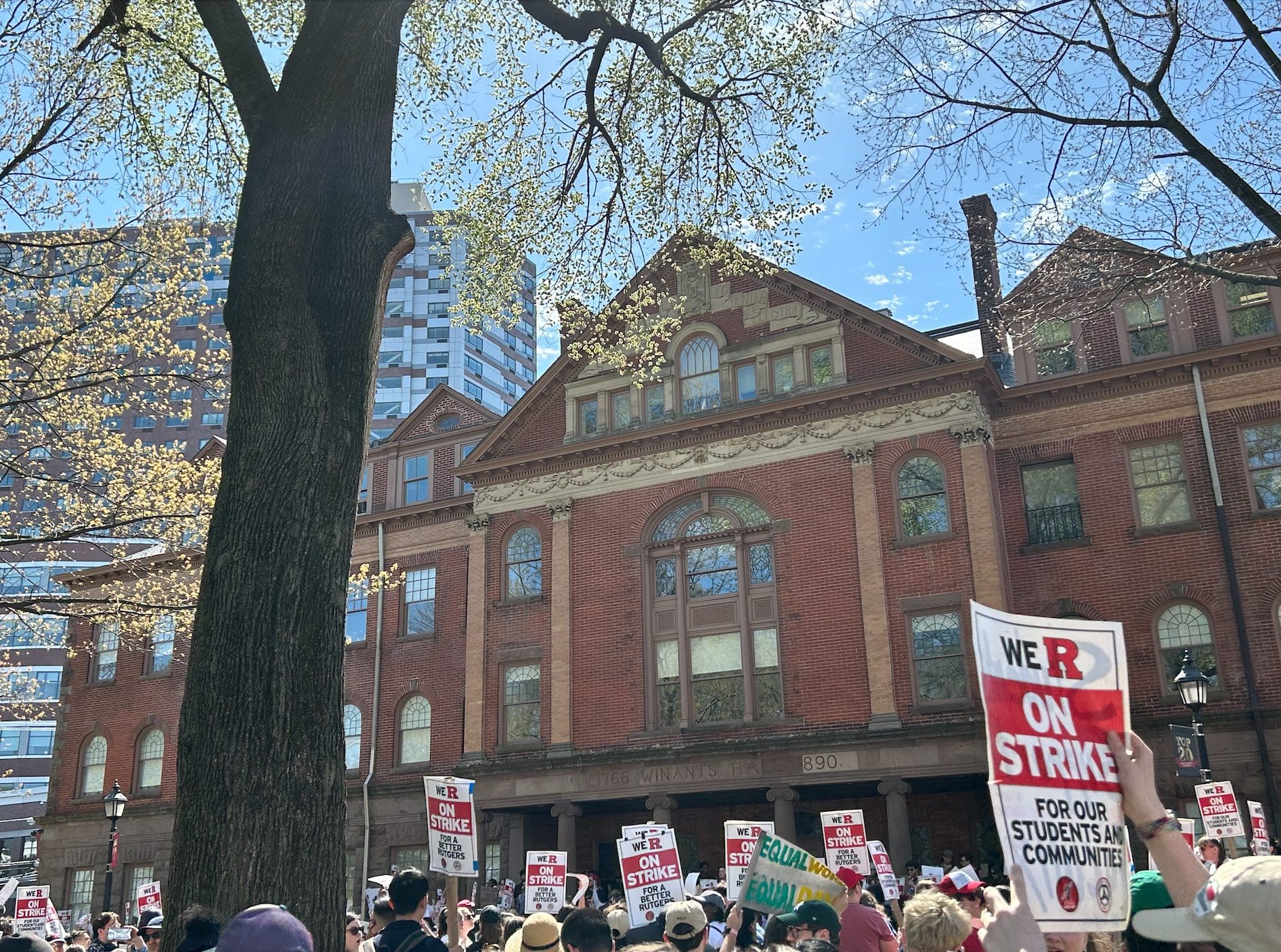
Sudip Bhattacharya, a researcher at Rutgers, reports on the recent labor action there. In the first strike of Rutgers’s 257 years, new solidarities emerged among not only precarious adjunct faculty and grad students, but also undergraduates, university employees, and beyond.
-

Interviews with Starbucks union employees by Sudip Bhattacharya describe growing solidarity, company retaliation, and some bad-faith meetings with CEO Howard Schultz.
-

Sudip Bhattacharya’s interviews with workers at an Amazon facility in Staten Island reveal ruthless conditions, management’s overwhelming power—and how, despite that, they’ve found solidarity in organizing the Amazon Labor Union.
