

An independent, ad-free leftist magazine of critical essays, poetry, fiction, and art.
-

Researcher and writer Ivan Melchor shares his findings about the spread of the warehouse as a pivotal node in the architecture of capital. The mega-warehouse, an enabler of “just-in-time” consumption, is a crucial component of capital’s metabolism—for which labor and communities pay the externalized price.
-

Oksana Mironova reports on the present state of the rent control struggle across the U.S. A historic revival in tenant organizing has resurrected the policy nationwide—with capital resisting to the fullest extent at every turn.
-
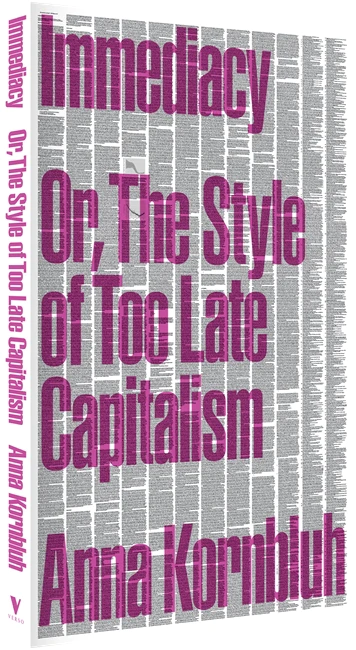
Republished here is an excerpt from Anna Kornbluh’s “Immediacy, or The Style of Too Late Capitalism,” a sure to be controversial analysis of the ways in which the immersion of the circulation economy has changed everything from writing to video to theory itself.
-
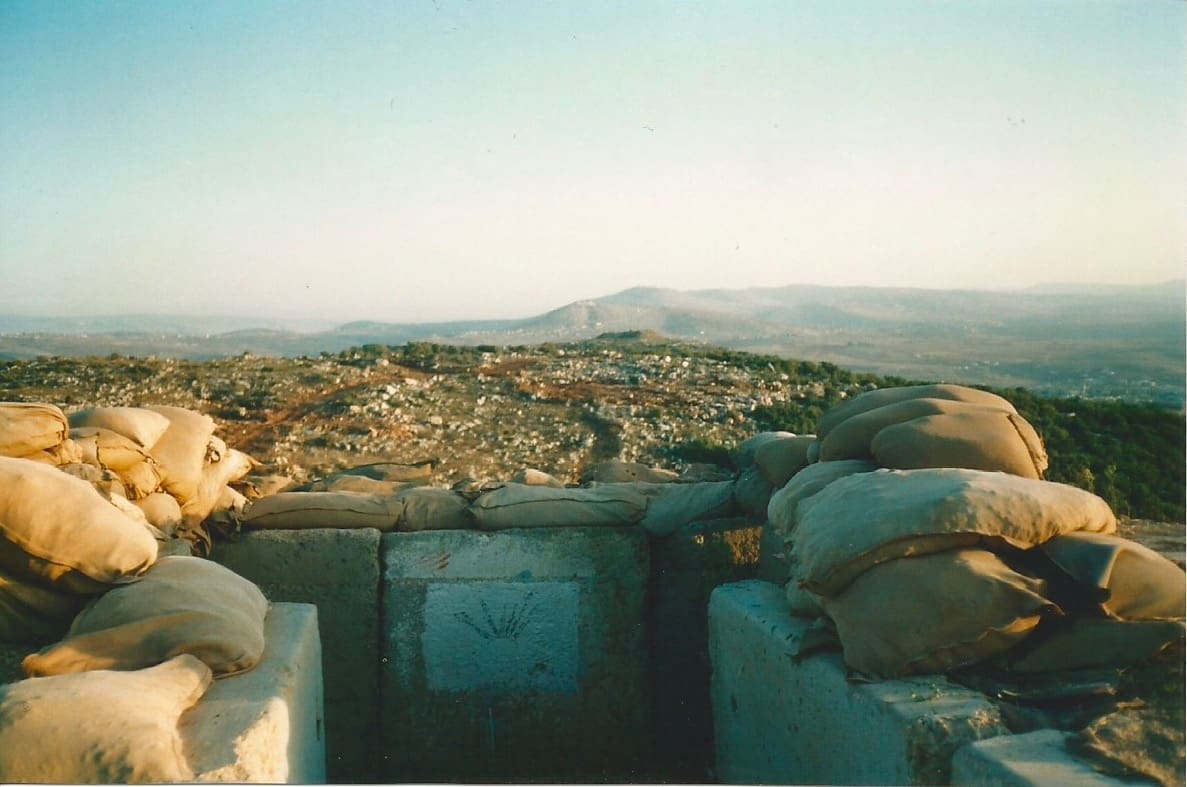
Mary Turfah shares “This is What They Call it Now”—on her ancestors’ town of Salha in Southern Lebanon between Northern Palestine, where, during the Nakba, Israeli forces massacred dozens, then razed, rebuilt, and renamed. How are ideological histories constructed in such a way to elide these truths? Whose accounts are…
-
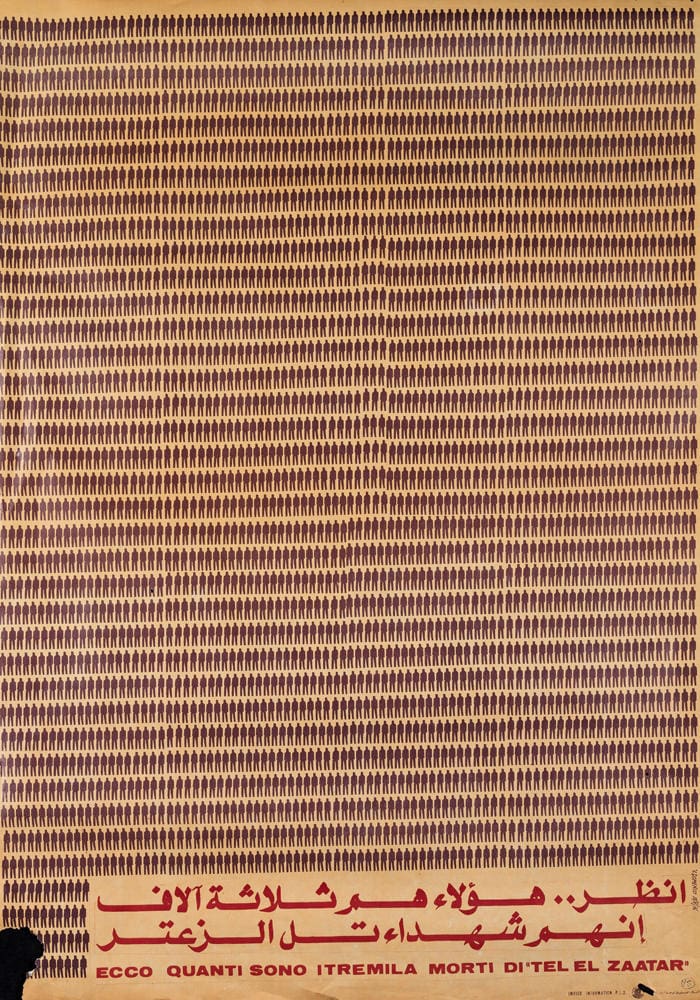
Basyma Saad writes on the contradictions of human rights discourse and international legal structures and the meaning of martyrdom. Hypocrisy is all too clear in the “Palestine exception.”
-
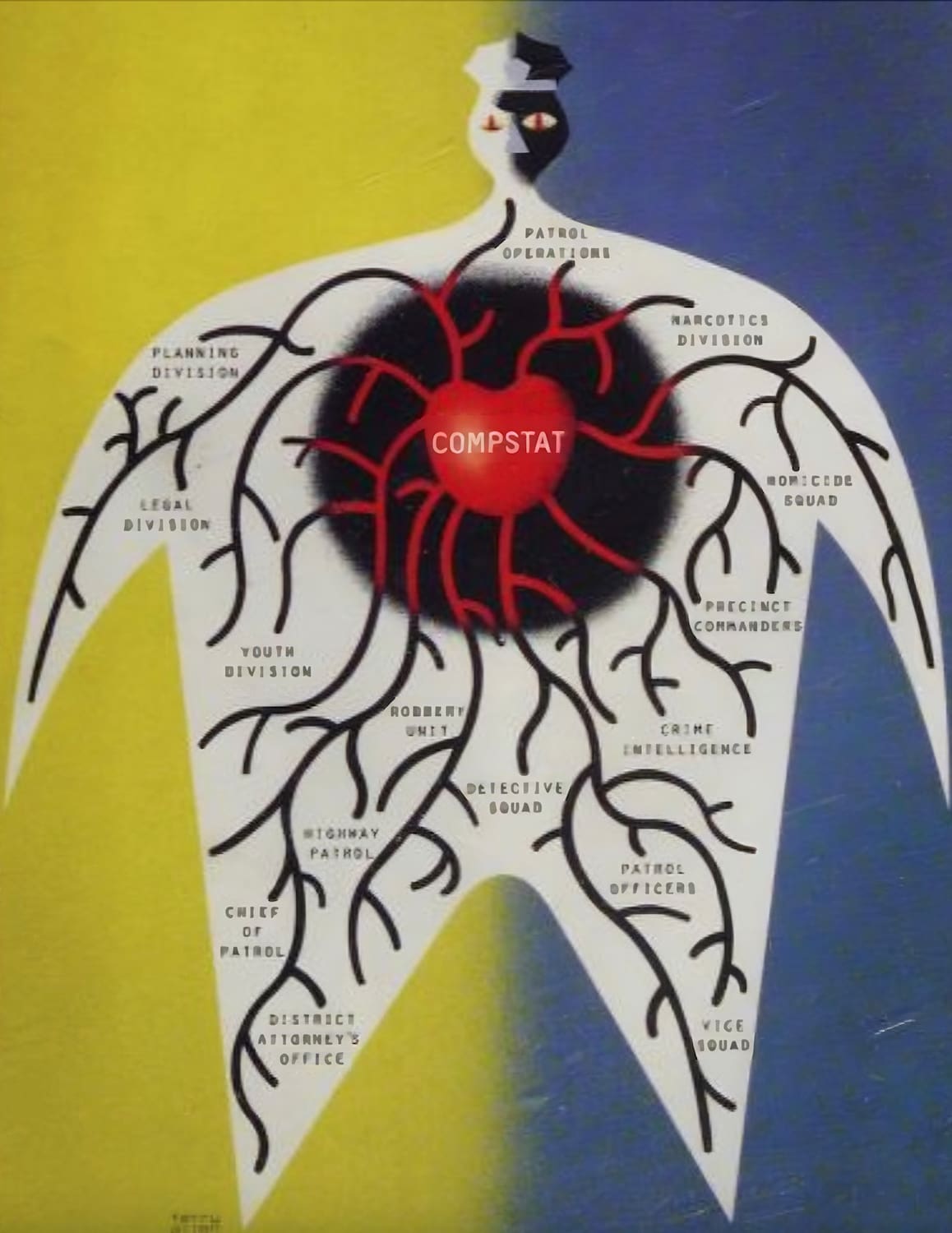
Benjamin Lee examines the logics and legacies of CompStat: a ubiquitous policing management program that exists at the intersection of technological violence and corporate-managerial data evangelism.
-

Republished here is an excerpt from Orisanmi Burton’s “Tip of the Spear: Black Radicalism, Prison Repression, and the Long Attica Revolt,” a crucial revision of the prevailing, myopic understanding of the Attica Prison revolt and its historical and political context.
-
Fargo Tbakhi writes with this reflective essay on the role and duty of writing in this time of a genocide. How do hegemonic prerogatives dictate style, content, and status? What can words do for us, when words are also the vehicle of cruel ideology?
-
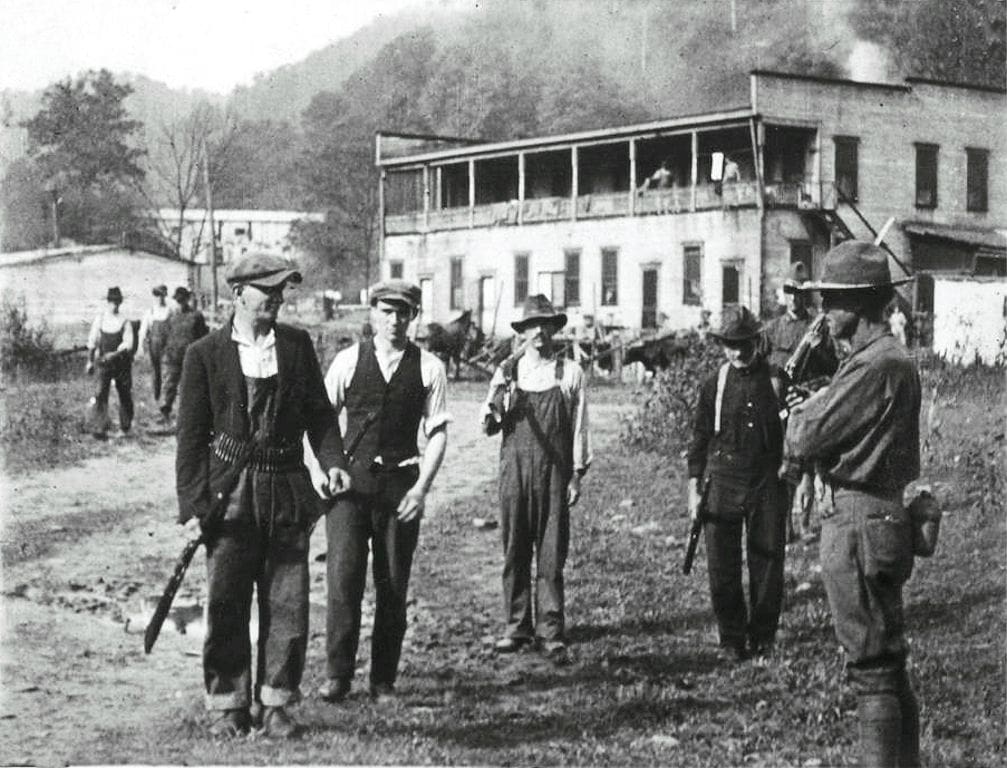
This Halloween, Kim Kelly recalls the labor heroes, known and anonymous, who gave their lives for the workers’ struggle—from retaliation to horrific working conditions, labor is haunted by ghosts.
-

On the second anniversary of the fall of Kabul, we’re publishing the epilogue of Combat Trauma, by Nadia Abu El-Haj, out from Verso Books. El-Haj writes on the incalculable cost of the War on Terror—on this country’s jingoism, its willful ignorance, and its refusal to acknowledge its crimes.
